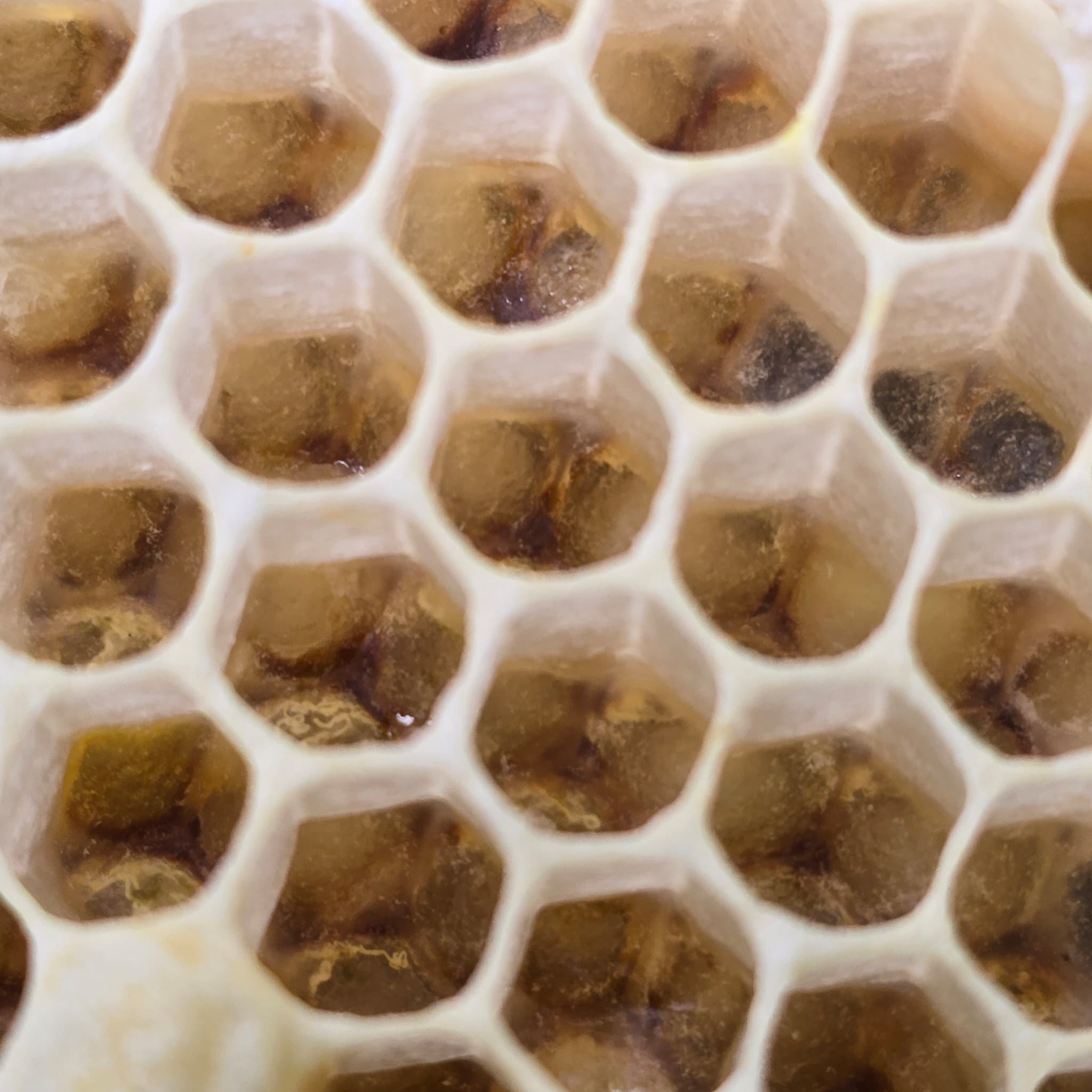
Wildflower honey in Ireland is different from the jar you could pick off a supermarket shelf almost every way you look at it. It is polyfloral - made from the nectar of dozens of different flowers rather than one dominant source - and because of that, no two batches taste quite the same. The colour shifts with the season. The flavour follows the land. And here on the Cooley Peninsula, the land is varied enough that the bees are never working the same flowers twice in the same year.
This post is about what wildflower honey actually is, how its character changes through the Irish growing season, and what to look for when you are buying it.
What does wildflower honey mean?
The term wildflower honey simply means the bees collected nectar from a wide mix of flowering plants rather than one leading bloom. The technical word is polyfloral - many flowers. Some beekeepers and honey labels also use the terms meadow honey or field honey. They all describe the same thing.
A monofloral honey like heather honey or ivy honey gets its defining character from one dominant source. The bees may still visit other flowers, but one species provides enough nectar to shape the flavour of the whole batch. Heather honey from the Cooley slopes is a clear example - dark, bold and aromatic, with a deep, almost port-like flavour that comes directly from the bell heather itself.
Wildflower honey works differently. The bees are drawing from a broad palette: hawthorn, white clover, blackberry blossom, meadowsweet, dandelion, buttercup, and whatever else is flowering within foraging distance of the hive. The result is layered and harder to pin down than a monofloral, and that is part of what makes it interesting.
If you want to understand how the two categories compare, the post on monofloral vs wildflower honey goes into more depth.
How the Irish season shapes wildflower honey
One of the things I find people are most surprised by when they start buying real honey is how much a jar can differ from one harvest to the next. With wildflower honey especially, the season is everything.
Spring: light, floral, soft
The first significant nectar flow of the Irish year comes from early blossoms - dandelion, hawthorn in the hedgerows, fruit tree blossom. This is the lightest honey of the year. Pale gold, sometimes almost translucent. Clean, mildly sweet, with a gentle floral note that does not overpower. Spring honey tends to set soft or stay runny for longer.
Hawthorn is worth singling out here. It blooms in May along every hedgerow in Ireland, and the bees go for it heavily. It contributes a mild, slightly fruity note to spring honey. Blackthorn flowers a little earlier in March and April, and white clover picks up as the season warms. Each of those flowers is working simultaneously in many parts of Ireland by late spring.
Midsummer: fuller, warmer, golden
By June and July the character shifts. White clover comes into its own - it is one of the great bee plants of the Irish countryside and produces a honey with a round, warm sweetness. Bramble blossom adds depth. The colour of the honey deepens from pale gold to a warmer amber.
This is typically the most generous time of year for nectar, and the honey reflects it. Fuller body, more layers on the tongue, a richness that the early spring honey does not have.
Late summer: meadowsweet, wildflowers, complexity
July and August bring meadowsweet to damp Irish meadows - those creamy-white clusters along riverbanks and field margins that fill a road with scent on a warm evening. Knapweed, vetch, red clover, and a mix of late-season wildflowers all contribute. The honey becomes more complex and slightly darker again.
This is often when wildflower honey feels most distinctive. There is more going on in the flavour. A longer finish. A sense that many things are present at once rather than one clear note.
Autumn: ivy takes over
By late September in Ireland, ivy is the dominant nectar source. Ivy honey is different enough from a typical wildflower honey that it is really its own thing - ivy honey sets hard and pale in a way that is quite specific to the plant.
That autumn shift is also why wildflower honey, as a category, is mostly a spring and summer product. Once the ivy flow starts, the character of the honey changes noticeably.
Why Irish wildflower honey varies from place to place
The flowers available to bees depend entirely on what is within foraging range - roughly three kilometres from the hive. That means the wildflower honey from one part of Ireland can taste quite different from a jar produced fifty kilometres away, even in the same season.
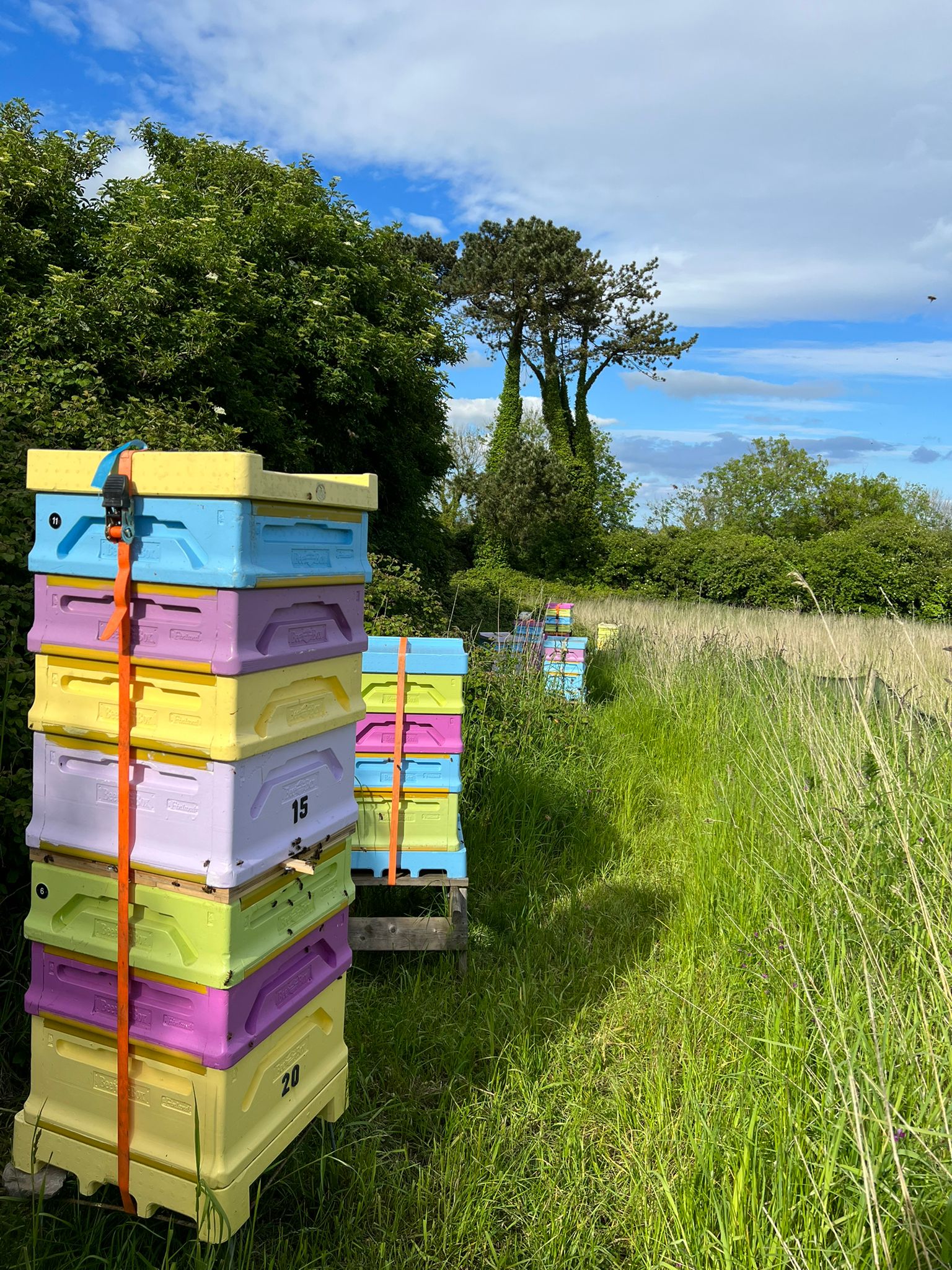
Here on the Cooley Peninsula, the hives are at altitude on the mountain slopes and in the sheltered fields below. The bees have access to open heather moorland above, wildflower-rich hedgerow fields in the middle ground, and the lough shoreline below. It is a layered landscape. The honeys that come out of it tend to reflect that - they are not one-note.
The piece on what makes Cooley honey different covers the landscape in more detail if you want to understand the geography.
Raw versus processed: why it matters for wildflower honey
Wildflower honey contains a broad range of pollen markers, volatile aromatic compounds, and natural enzymes from the various flowers the bees visited. These are what give it its flavour and character.
When honey is heated during processing - as most commercial honey is, to make it easy to pour and to delay crystallisation - those volatile compounds are the first thing to go. The honey becomes standardised in flavour and usually lighter in colour, because the more fragile aromatic elements have been driven off.
Raw honey is extracted and bottled without heating above the temperature of the hive. Everything the bees brought in stays in the jar. For wildflower honey, this matters more than most people realise - the difference between raw Irish wildflower honey and processed blended honey is not subtle. They are not the same product.
A note on crystallisation
Because wildflower honey contains a mix of different sugars from many different flowers, the ratio of glucose to fructose varies from batch to batch. This is part of why some jars crystallise faster than others. A jar heavy in clover nectar will crystallise differently from one with more bramble. Neither is wrong - crystallisation is a sign of real honey, not a defect.
The post on why honey crystallises explains the process clearly if you want to understand it better.
Questions people ask about wildflower honey
Is wildflower honey the same as meadow honey?
Essentially yes. Both terms mean polyfloral honey from a mix of flowers. Meadow honey suggests the flowers were mainly field and meadow plants rather than trees or shrubs, but in practice the two terms are used interchangeably by most producers and on most labels.
Does wildflower honey taste different every year?
It can, yes - and this is one of the things that makes it interesting. The mix of flowers in bloom in any given summer depends on the weather, rainfall, and timing of the season. A cooler, wetter June produces different conditions for clover and meadowsweet than a warm dry one. Some batches will be lighter and more floral; others fuller and richer. If you are buying single-origin wildflower honey from one beekeeper, the batch number and harvest date on the label will tell you exactly which season that jar comes from.
Why does my jar look different from the last one I bought?
This is normal and is a sign the honey is genuine. Processed blended honey is made to look and taste identical every time, because it is blended from many different sources and standardised. Real honey from one place and one season will vary in colour, set, and flavour from batch to batch.
Can I use wildflower honey for cooking?
It works well in most recipes where you want honey flavour without a strong, single-note character. It is mild enough not to dominate but full enough to be worth using. Stir it into a dressing, use it to glaze roasted vegetables, or bake with it in place of sugar. If the honey has crystallised, it will dissolve easily when added to other ingredients. Just avoid high heat if you want to keep the flavour intact - a drizzle over warm porridge is quite different from baking it at 200 degrees.
Finding real Irish wildflower honey
The gap between a jar labelled “wildflower honey” and one that actually is what it says can be significant. Labels like “product of EU and non-EU countries” are worth understanding before you buy - that post on what EU and non-EU honey means breaks it down plainly.
If you want honey you can trace to a specific place, a named beekeeper, and a particular harvest, you are looking for something quite different to most of what is on a supermarket shelf.
My Clear honey - the everyday golden runny jar from the Cooley Peninsula - is exactly that. Raw, unblended, batch-numbered, and harvested here. If you are in the Carlingford area and want to pick up a jar, you can find out more on the Peninsula Honey home page. Jars are available for local collection from Mullabane and at markets in the area.
The honey changes with the season and the flowers. That is the whole point of it.