People ask me this more than almost anything else: which honey should I start with? It is a fair question, especially when you are standing at a market stall looking at four very different jars and a tray of comb. The answer depends on what you like to eat, how you use honey, and honestly, how adventurous you are feeling. This is a straightforward guide to the four Peninsula Honey varieties - plus comb - so you can decide which honey to try first without guessing.
Start here: what kind of eater are you?
Before I go through each variety, two quick questions help narrow it down fast.
Do you use honey mostly in hot drinks or cooking? If yes, start with Clear. It pours easily, it is mild enough not to overpower, and it works in everything.
Do you want to taste something you cannot get in a shop? If yes, go straight to Heather. It is the one people remember.
Everything else sits somewhere between those two poles.
Clear Honey - the everyday jar
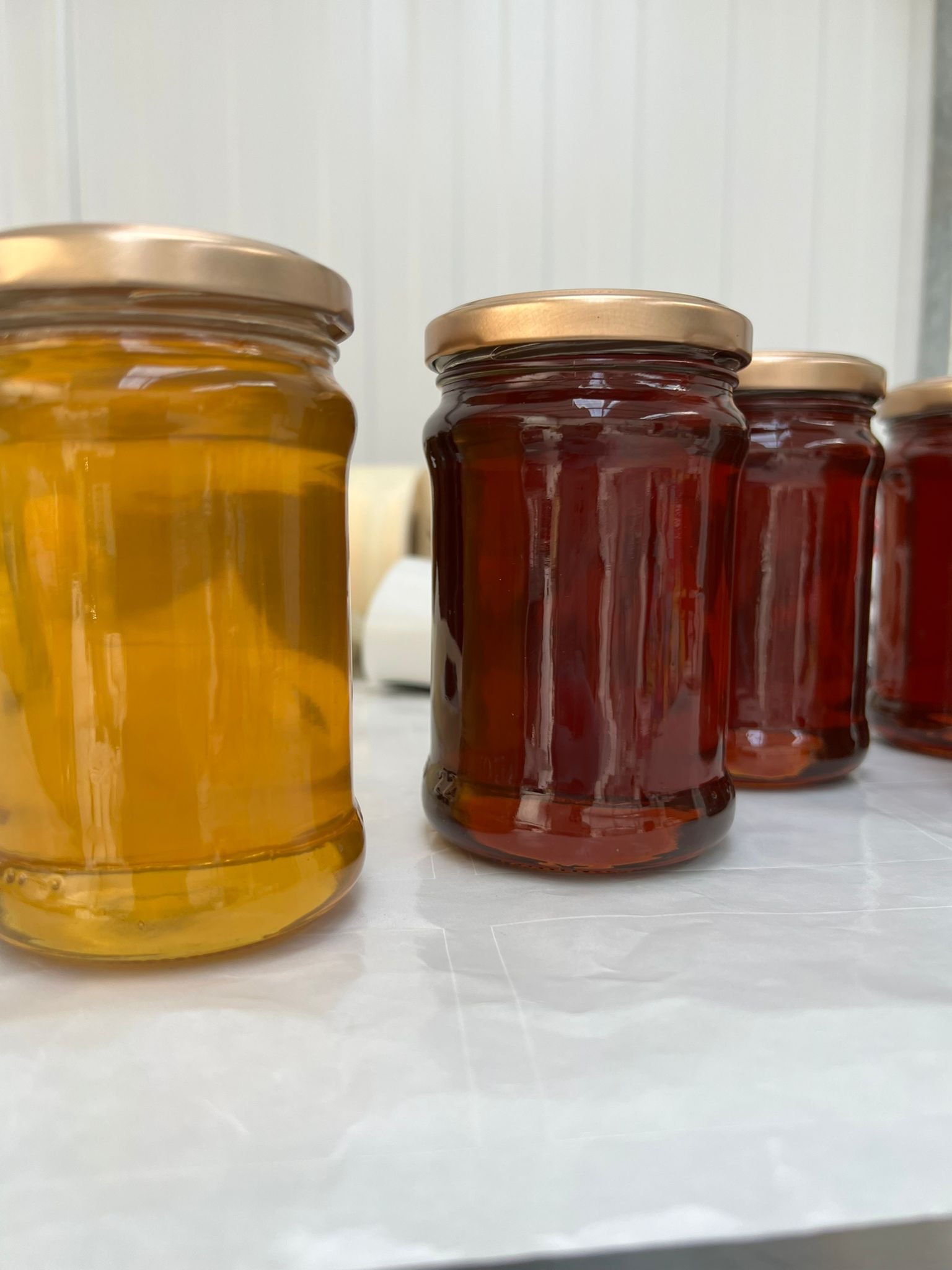
Clear is the golden, runny honey you probably picture when you think of honey. My Clear is raw and single-origin from the Cooley Peninsula, which means it is full of flavour and genuine - but it is also the gentlest of the four. Blossom, mild, clean. It dissolves easily into tea, pours cleanly over porridge, and works in any recipe that calls for liquid honey.
If you have only ever bought supermarket honey before, Clear is a good starting point. It will taste noticeably different - more rounded, more alive - without being confrontational. You can read more about what sets it apart in the Clear Honey post for the Cooley Peninsula.
Best for: tea, porridge, baking, salad dressings, anyone new to raw honey.
Heather Honey - bold and specific
This is the one I am most often asked about, and the one that surprises people most. Heather honey comes from bell heather growing on the Cooley mountain slopes above Mullabane. It is dark amber, bold and aromatic - earthy, floral, slightly resinous, with an almost port-like depth that sits well with strong flavours. It is the boldest jar in the range.
The important thing to know before you buy it is about flavour, not texture. Bell heather honey pours and spoons like normal honey and crystallises naturally over time, just like any raw honey. (You may have heard that LING heather, a different plant, makes a famously gel-like honey - but that is ling, not the bell heather worked here.) What sets mine apart is the depth and complexity of the taste.
Heat reduces its aromatics, so I rarely cook with it. Where it really shines is uncooked and served cold or at room temperature: spread onto oatcakes, paired with a strong aged cheese, drizzled over thick yoghurt, or stirred through whipped cream. It can handle blue cheese, mature cheddar, and sharp goats’ cheese without blinking.
If you want to understand the flavour more before buying, the heather honey guide goes into detail.
Best for: cheese boards, crackers, yoghurt, direct from the spoon. For the eater who wants to taste something genuinely different.
Ivy Honey - pale, mild, and often surprising
Ivy is my autumn harvest, gathered from ivy blossom in September and October. It is the last honey of the year from my hives on the peninsula. The bees work ivy hard when little else is flowering, and the result is a honey that sets fast and firm - it turns pale and almost white after harvest, with a texture closer to set butter than runny honey.
The flavour is mild with a very faint aromatic note - some people catch a slight menthol edge, others describe it as clean and lightly floral. It is nothing like Heather. Where Heather is insistent and bold, Ivy is quiet and easy to live with.
Because it sets so hard, it is best used as a spread rather than a drizzle. It holds together beautifully on a warm slice of toast. It also works well in cooking where you want sweetness without a strong honey flavour taking over.
The ivy honey post explains the science behind why it behaves the way it does - if you are curious about the rapid crystallisation, it is worth a read.
Best for: toast, spreading, mild baking, anyone who prefers a gentler flavour. A good choice if Heather sounds a bit much.
Soft Set Honey - the one for converts
Soft Set sits between Clear and Heather in intensity, and it is often the one people come back for once they have tried the others. The texture is smooth and spreadable - creamy and thick, it stays on a knife without dripping, and it goes onto bread the way good butter does.
The flavour is fuller than Clear but without the assertiveness of Heather. It is the one I reach for when I want something I can use easily every day without thinking too hard about it.
People who have never liked the stickiness of runny honey often find Soft Set more manageable. It is also the easiest jar to have on the table without needing a drizzler or a specific spoon. If you are unsure whether you are a set or runny honey person, the short answer is: try Soft Set first and see whether you miss the pour.
Best for: toast, scones, porridge, everyday use, anyone who finds clear honey too liquid to work with.
Comb Honey - the full experience
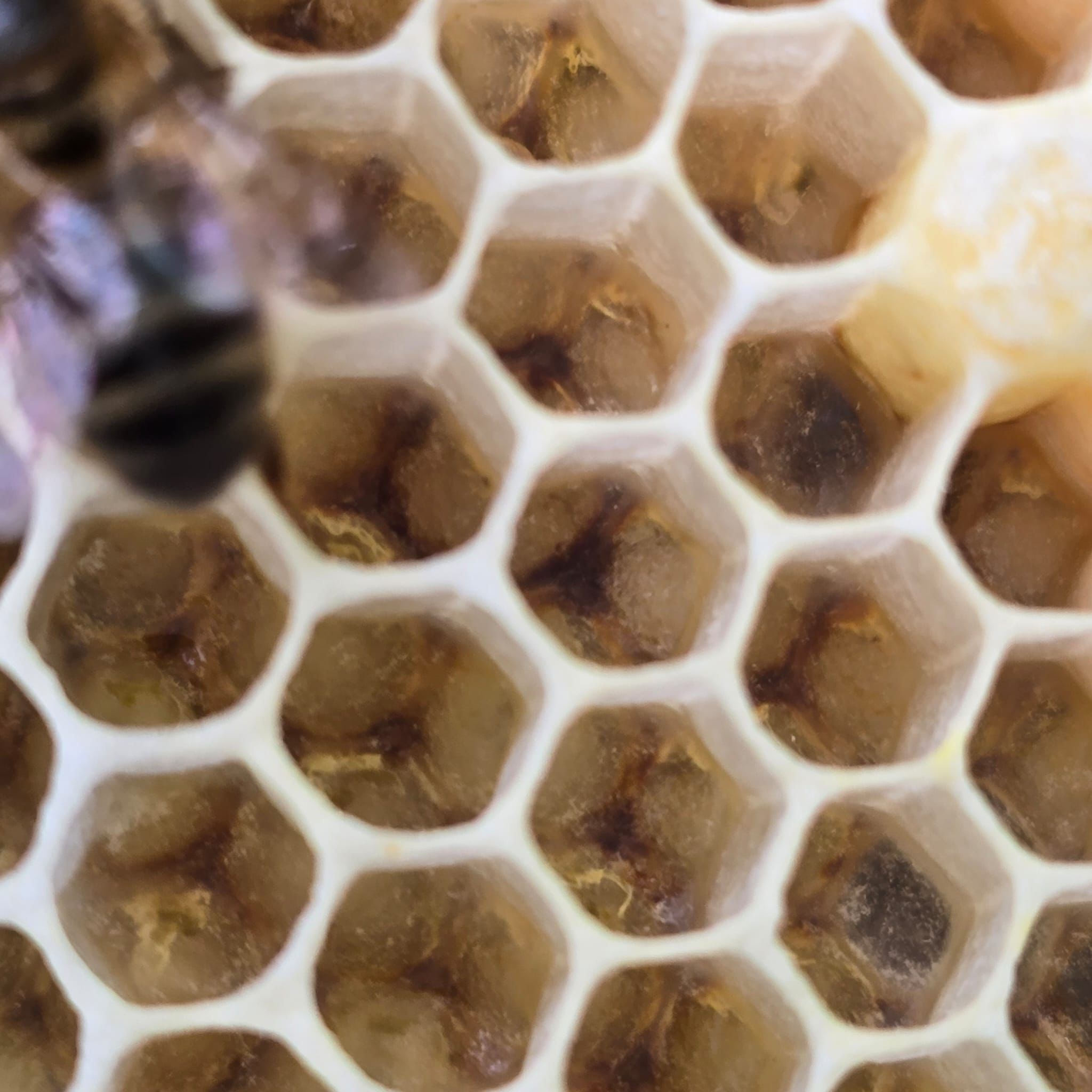
Comb is something else entirely. The honey sits inside the beeswax cells, exactly as the bees left it - unextracted, intact, with nothing added and nothing removed. You eat the wax and the honey together; the wax is safe to eat and simply melts away.
I produce comb in three forms: sections (whole frame sections in their original shape), cut comb (slabs cut from the frame), and chunk (a piece of comb sitting inside a jar of liquid honey). Each delivers the same thing - honey at its most untouched - but in slightly different formats depending on how you want to use it.
The taste of comb is the closest you can get to honey straight from the hive. The wax adds a very subtle texture and a faint waxy note that disappears quickly. What you are left with is the honey, which bursts from the cells as you chew. It is a specific experience, and people either love it immediately or find it takes a few goes.
If you are thinking of starting with comb, the guide to comb honey explains the differences between the three formats - and covers the practicalities: best on a cheese board, with ripe fruit, or on warm bread that melts the wax as you eat it.
Best for: gifting, cheese boards, curious first-timers, anyone who wants to taste honey exactly as it comes from the hive.
A quick chooser
| If you want… | Try… |
|---|---|
| Mild, runny, works in everything | Clear |
| Bold, aromatic, for cheese and crackers | Heather |
| Pale, firm, quiet and easy | Ivy |
| Spreadable, creamy, everyday | Soft Set |
| Honey at its most direct | Comb |
FAQ
Can I buy a small amount to try before committing to a full jar?
At the market stall in Carlingford I do let people taste before they buy - just ask. I do not currently sell sample packs, so the market is the best place to try before you commit.
Which honey makes the best gift if I am not sure what someone prefers?
Soft Set is the safest gift for an unknown palate - it is approachable, it works with everything, and the texture tends to impress people who are used to supermarket honey. If you know they love cheese or have more adventurous taste, Heather is the one that tends to stay in the memory.
Why does raw honey sometimes look cloudy or grainy?
Crystallisation is completely normal in raw honey - it is a sign the honey is real and unprocessed. Raw honey is full of natural sugars and pollen particles that encourage the process. If you prefer your clear honey liquid again, a gentle warm water bath will bring it back without damaging it.
Does it matter which harvest I pick?
Each jar is batch-numbered and harvest-dated, so you always know exactly when it was made. If you have a preference for a particular season or flower, I can tell you what is currently available at collection. Heather is a summer harvest; Ivy comes in autumn; Clear and Soft Set vary.
Every jar comes from the same landscape - the Cooley Peninsula, above Carlingford Lough - and the same hives. The difference between them is entirely down to what the bees were working, and when. That is what makes single-origin honey worth paying attention to.
If you want to know more about who is behind the jars, the meet Niamh post is the place to start. Or come and find me at the market and taste for yourself - that is always the quickest answer.