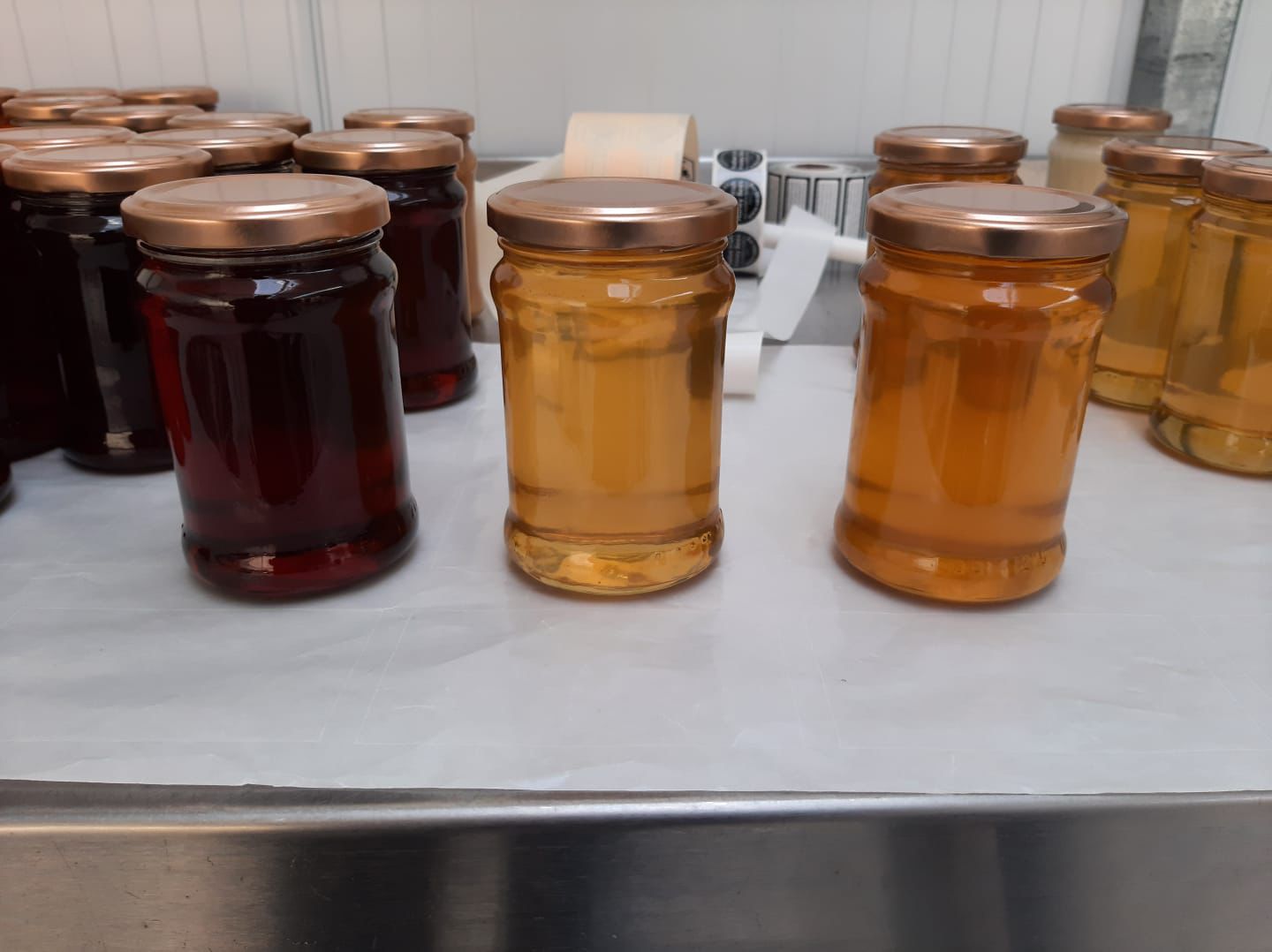
Pick up any jar of supermarket honey in Ireland and there is a good chance the label says something like: blend of EU and non-EU honeys. That phrase is everywhere, and it is perfectly legal. But it tells you almost nothing about what is actually in the jar. If you have ever wondered what it actually means - and why it matters when you are choosing between that and a single-origin Irish honey - here is a plain explanation.
What “blended honey EU non-EU” actually says on the label
The phrase has its origins in EU honey legislation. For years, the law allowed blended honey to be labelled under one of three broad categories: blend of EU honeys, blend of non-EU honeys, or blend of EU and non-EU honeys. No percentages required. No individual countries listed. Just a geographic region so large it could encompass dozens of different nations and their very different production standards.
So when you read “blend of EU and non-EU honeys”, that label could legally describe a jar containing 90% honey from Argentina, China or Turkey, topped up with 10% from Spain or Romania. Or the reverse. Or any ratio in between. The law, until very recently, did not require producers to say.
That is starting to change. A new EU directive (2024/1438), transposed into Irish law via S.I. No. 591/2025, requires that from June 2026, blended honey labels must list every country of origin in descending order of weight, with percentage breakdowns. It is a meaningful improvement in transparency. But for now, on jars already on shelves, the old vague phrasing still applies.
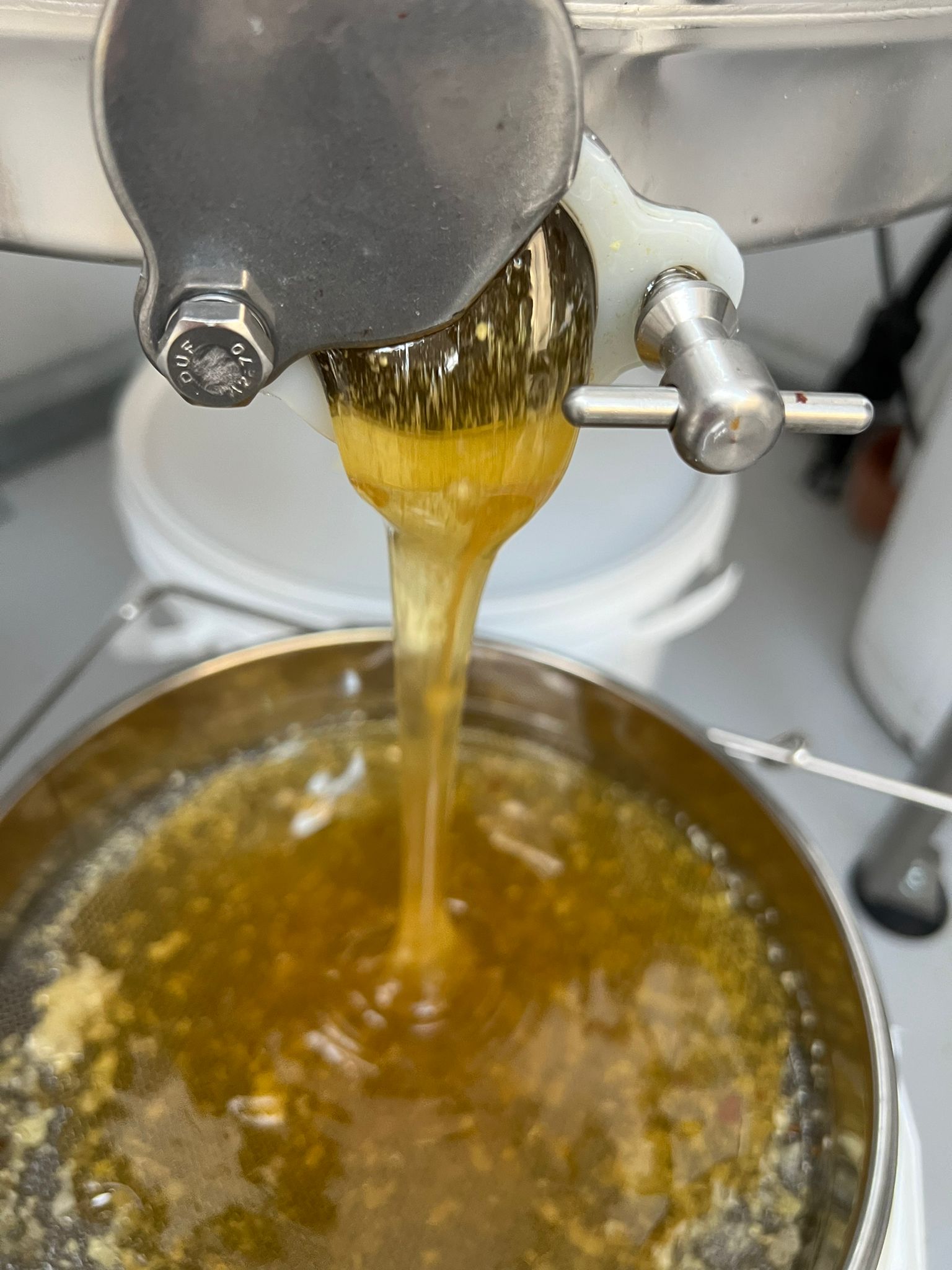
Where blended honey comes from
The major suppliers of honey into the EU import market include China, Argentina, Ukraine, Turkey and Brazil. These are not small volumes. China alone accounts for a significant proportion of global honey exports.
That is not automatically a problem. There is perfectly good honey produced in all of those countries. But large-scale blending operations exist to smooth out flavour variation, reduce cost, and create a product that looks and pours the same every time. That consistency is useful for manufacturers. For the beekeeper in you who wants honey that actually tastes of something specific - it is the opposite of what you are after.
The processing involved in making blended honey shelf-stable and consistent typically includes heating, fine filtration, and sometimes ultra-filtration. Ultra-filtration pushes honey through filters so fine that it removes nearly all pollen. Pollen is how you trace honey back to its source - it is the botanical fingerprint in the jar. Remove it, and the origin becomes very difficult to verify independently.
None of that makes blended honey harmful to eat. It makes it a different product to raw, single-origin honey. Understanding that difference is really what this is about.
What single-origin Irish honey is
Single-origin honey comes from one place - one apiary, one beekeeper, one landscape - rather than being pooled from many sources and blended to uniformity. If you want to know more about what that means in practice, the guide to what raw honey actually is is a good starting point.
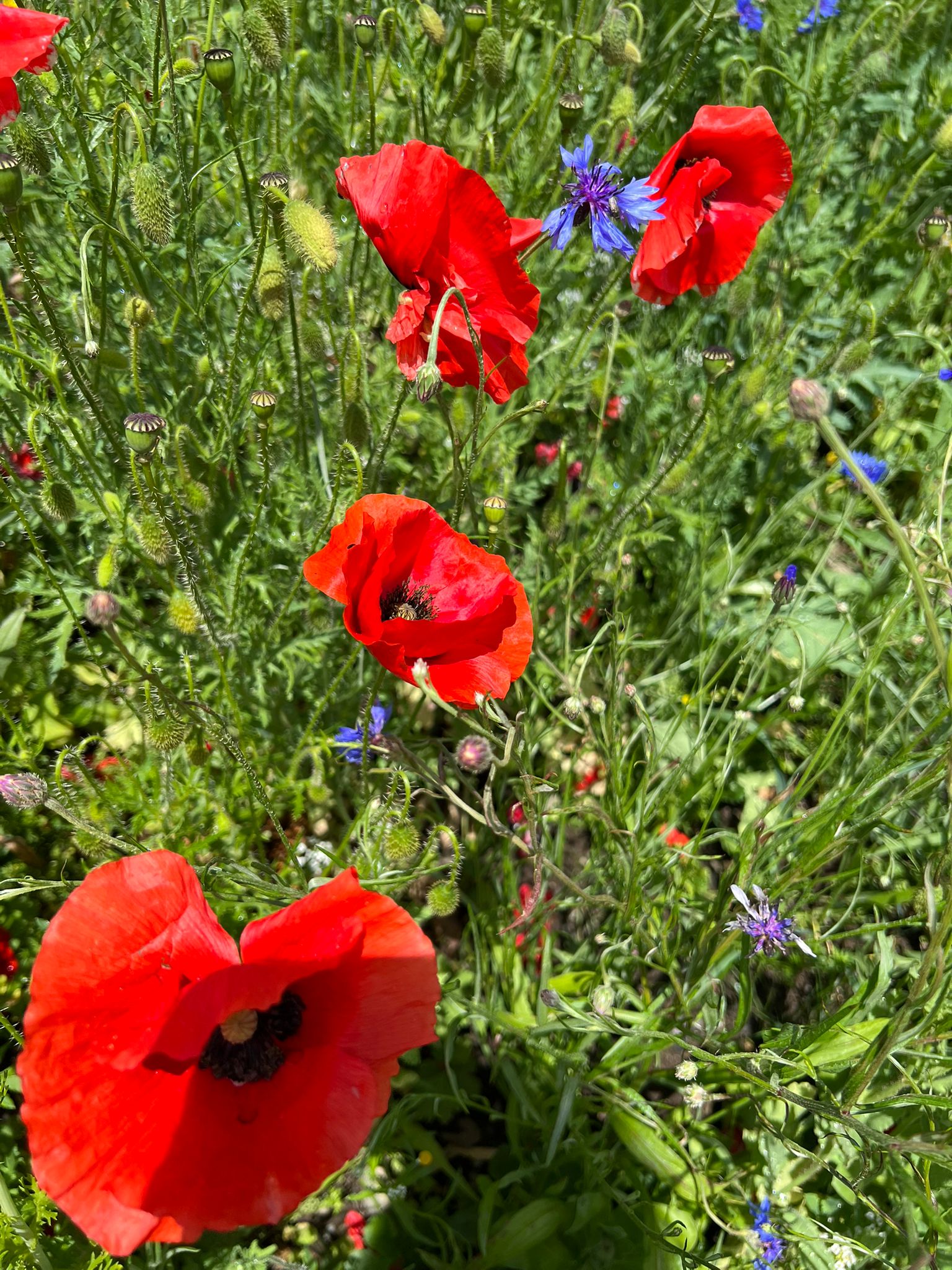
Irish honey in particular reflects a specific climate and a specific flora. The bees work what is available: hedgerow wildflowers, garden blossom, ivy in the autumn, and on higher ground, heather from late summer. The resulting honey varies by season and by location in a way that blended product cannot replicate - not because blending is dishonest, but because the whole point of blending is to eliminate that variation.
Comparing raw honey to supermarket honey gets into more of the detail on processing differences if you want to dig deeper into that.
What it looks like from the Cooley Peninsula
My bees are on the Cooley Mountains above Carlingford Lough. Every jar I sell comes from one apiary: Mullabane, in the foothills above Carlingford. That is it. There is no blending, no pooling from other sources, no intermediary. What my bees made in a particular season is what goes into that jar, batch-numbered and harvest-dated.
The Heather honey, for instance, comes from bell heather on the upper slopes of the Cooleys in late summer. It is dark amber, with a strong, aromatic character and an almost port-like depth - and it pours and spoons like any honey, crystallising naturally over time. That bold flavour comes from one specific plant on one specific piece of ground. You cannot replicate it by blending, because the whole thing would be diluted out. The heather honey from Ireland guide explains what makes that variety distinct if you are curious about it.
The Ivy honey, harvested in autumn, sets hard and pale with a mild, slightly menthol flavour. The Clear honey is the year’s everyday golden runny jar - versatile and full of the mixed wildflower character of the hedgerows below. Each of those is the flavour of one place, one season.
Does this mean blended honey is bad?
No - and it is worth being clear about that rather than leaning into fear.
Blended honey is not inherently low quality or harmful. The regulation governing it in the EU has genuine standards. What it is, though, is a product optimised for consistency, shelf life and price at scale. It is not the same as honey that was made in a specific place, left raw and unheated, and sold with a harvest date that tells you exactly when the bees made it.
If you are buying honey for baking or as a sweetener and the flavour is secondary, blended honey does the job. If you want something that tastes of somewhere specific - of heather slopes or ivy fields or a particular autumn - that is what single-origin is for.
The question of how to tell if honey is real goes into what to look for on a label if you want to be more confident about what you are buying generally, not just in the context of Irish honey.
A few questions people ask
Is the “blend of EU and non-EU honeys” label legal in Ireland?
Yes, fully legal, and used widely. The rules are set at EU level and Ireland follows them. The new directive coming into effect from June 2026 will require more transparency on country breakdowns, but the current phrasing on older stock remains valid until it is sold through.
Does Irish honey have to come from Ireland?
If a label says “Irish honey” or “Produce of Ireland”, yes - it must come from Ireland. There is no loophole on that. What the label cannot always tell you is which part of Ireland, who made it, or how it was processed. Single-origin producers include those details by choice.
Why does single-origin honey cost more?
Because it is made in smaller quantities, by one or a small number of people, and it cannot be stretched by blending. The yield from one apiary in one season is finite. You are not paying for marketing - you are paying for the actual limitation of what one beekeeper’s bees can produce.
Does crystallisation mean anything about quality?
It means the honey is real. Glucose-rich honeys, including Irish wildflower and ivy, crystallise naturally over time. It is not a flaw. Why honey crystallises has the full explanation if you have encountered a jar that has gone solid and wondered what to do with it.
If you are in the Carlingford area and want to see the difference for yourself, the current harvest is available for local collection at Mullabane. You can find out what is available and how to collect it. Every jar comes with the batch number and harvest date - no mystery about where it came from.