Pick up two jars of honey in a supermarket and they will almost certainly taste identical. Same sweetness, same thin pour, same amber colour with nothing behind it. That is not an accident. It is the whole point of how commercial honey is made.
This piece is about that gap - between what raw honey actually is and what most people grew up eating. Not to judge anyone for buying the squeeze bottle; it is everywhere and it is cheap. But if you have ever tasted honey straight from a local hive and wondered why it was so different, here is the honest answer.
What supermarket honey actually is
Most honey on Irish supermarket shelves is blended from multiple countries of origin. The label usually says something like “blend of EU and non-EU honeys.” That phrase has become so familiar that people stop reading it, but it is worth pausing on: EU and non-EU means the honey could have come from anywhere, in any ratio, and the current rules do not require the packer to say which countries dominate the blend. Ireland produces just over 200 tonnes of honey a year and imports more than 8,000 tonnes to meet demand. The gap has to come from somewhere.
Blending itself is not the only issue. Commercial honey is typically heated - sometimes to 60-70 degrees Celsius or higher - so that it stays liquid on the shelf, pours cleanly, and does not crystallise in the bottle. It is then filtered, often finely, to remove pollen, wax particles, and anything else that might make it look cloudy or set prematurely.
That process solves a real retail problem: consistency. Supermarket buyers want a product that looks and behaves the same in January and in August, whether the honey started out as wildflower from Spain, acacia from China, or clover from Argentina. Blending and heat treatment deliver that. What they also do is strip out most of what gives honey its character.
Pollen removal matters more than it sounds. Understanding what “EU and non-EU honey” means on a label gets into the detail, but the short version is this: pollen is the only way to trace honey to a specific geographic source. Remove it, and the honey becomes anonymous by design.
What the processing removes
Raw honey comes out of the hive with a specific flavour profile that reflects where the bees were foraging, what was in flower, and what the season was doing. Heat treatment degrades the aromatic compounds responsible for that. Not instantly, not completely - but the difference between a gently strained raw honey and a pasteurised commercial blend is audible in the taste, the way it lingers, the way it sits on the back of the palate.
Enzymes are affected too. Honey naturally contains invertase, diastase, and glucose oxidase, produced by the bees themselves during the making of honey. Heat above about 40 degrees starts to degrade them. Processed honey at higher temperatures can lose most of this enzyme activity.
The result is a product that is still technically honey, still sweet, still amber - but flat. It does not taste of anywhere. It does not change from batch to batch. If you put it on toast, it tastes like honey. If you use it in baking, it tastes like sugar. The place where it came from left no trace.
If you want to understand more about what raw honey actually retains - and why that matters for flavour - this guide to what raw honey is covers the basics without the fuss.
What raw honey gives instead
Raw honey, properly made, is strained to remove wax and debris but not processed beyond that. The colour, set, and flavour are entirely down to where the bees foraged and when.
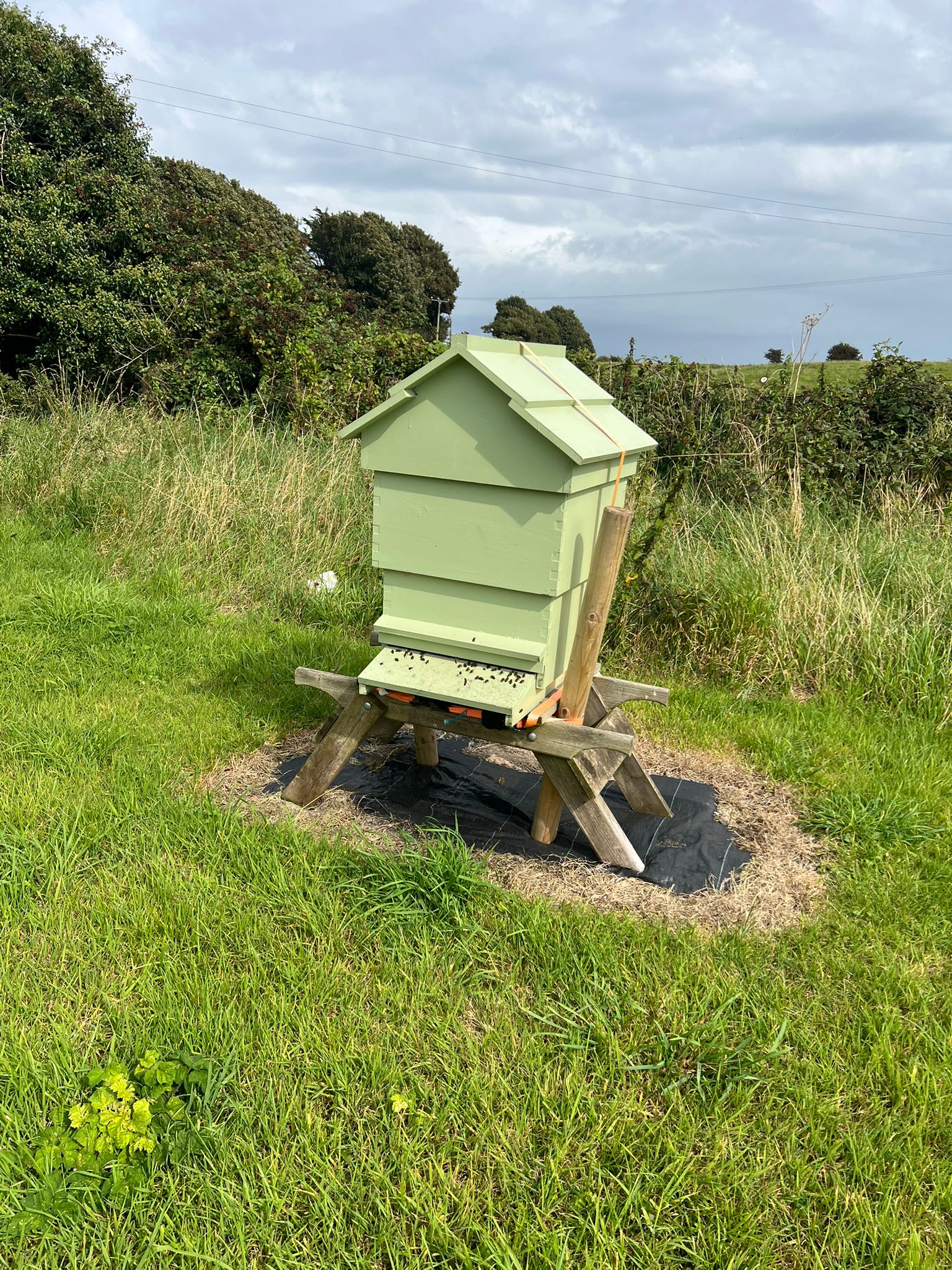
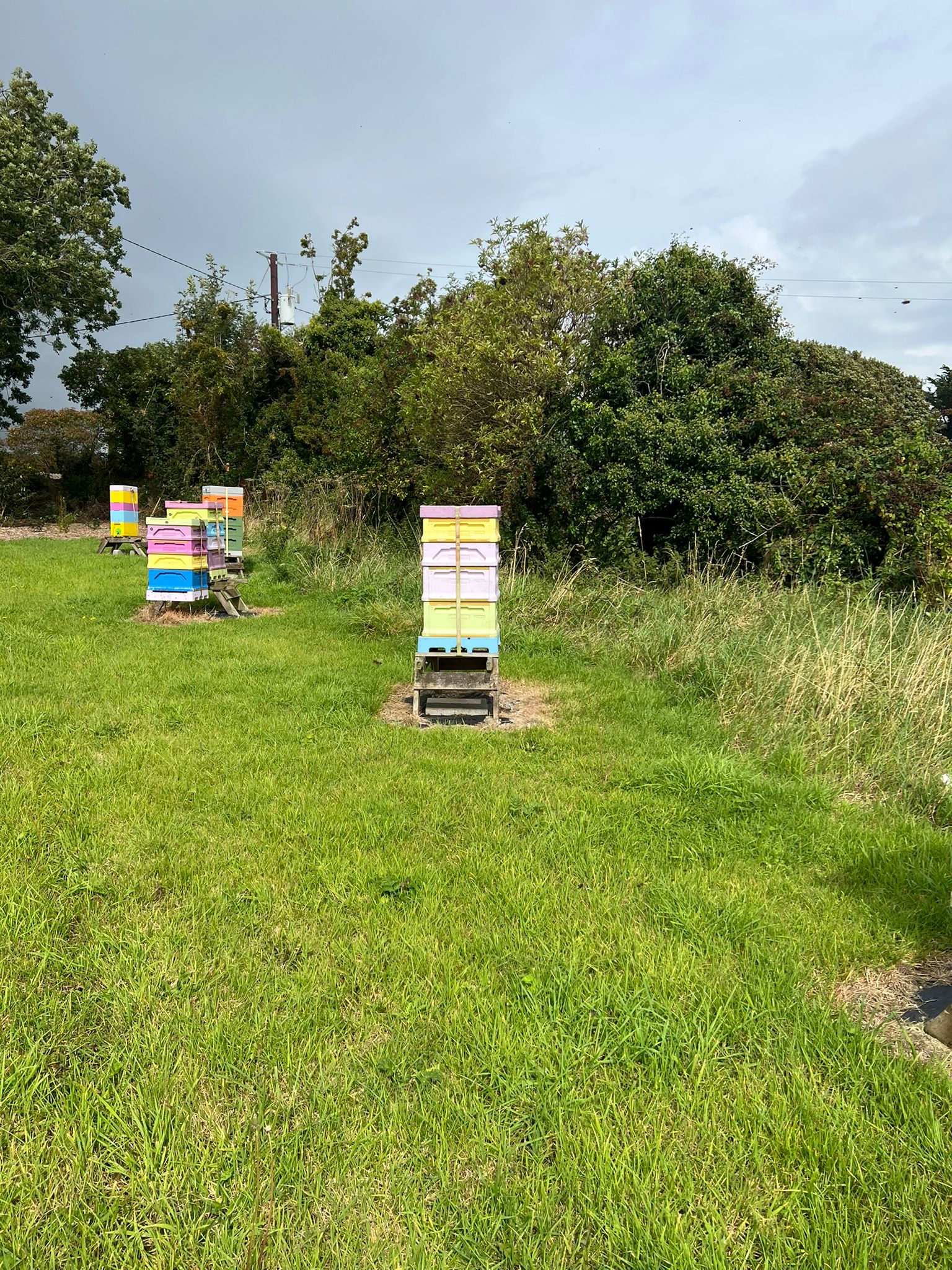
My bees work the Cooley Peninsula - heather moorland at altitude on the Cooley Mountains, mixed hedgerow below, and the lough shore. That specific landscape produces honeys that taste nothing like each other and nothing like the supermarket shelf.
Heather honey from bell heather is dark amber, bold and aromatic, with an almost port-like depth and a resinous edge that disappears if you heat it - so it is best enjoyed cold or at room temperature. It pours and spoons like any honey and crystallises naturally over time. It is a honey for a cheese board, for stirring through cream, for eating off a spoon slowly. The heather honey guide goes into what drives that distinct character.
Ivy honey sets differently again - hard and pale, almost white, with a mild and slightly menthol quality. It is an autumn harvest, when the ivy flowers are the last significant source before the bees close down for winter. Some people find it surprising, because ivy honey looks nothing like the golden runny jar they expect. That is exactly the point.
The Clear honey is what I think of as the everyday jar - golden, runny, made from mixed wildflower and summer forage. It crystallises naturally over time, which is a completely normal process and a sign that nothing has been done to prevent it.
Each variety carries a batch number and a harvest date. That is not marketing. It is a statement that this jar came from a specific place, at a specific time, made by one beekeeper with bees working one peninsula. You can look at the label and know those things.
The taste argument, plainly put
People sometimes ask whether raw honey is worth the price difference. I think that is slightly the wrong question, because it assumes the products are comparable and one is just more expensive. They are not really the same thing.
Supermarket honey is a reliable, affordable, shelf-stable sweetener. It is consistent because it was designed to be consistent.
Raw honey from a specific source is a flavour. It is what the bees made from a particular landscape in a particular season, minimally handled, and put in a jar while that character is still intact. It changes from year to year. A dry summer changes what is flowering and when. A wet August affects the harvest entirely.
That variability is not a flaw. It is what makes it worth tasting.
The analogy I find most useful is not about cost. It is about whether you want a glass of wine that tastes exactly the same every time regardless of where the grapes grew, or one that tastes of its year and its soil. Neither is wrong. But they are different things.
Frequently asked questions
Does raw honey go off?
Honey in general does not spoil if stored properly - sealed, dry, away from direct heat. Raw honey is no different. It will crystallise over time, which is natural and reversible. How to store honey properly covers the practical detail.
Why does supermarket honey not crystallise?
Heat treatment and fine filtration slow or prevent crystallisation, which is why commercial honey pours from the bottle after months on the shelf. Raw honey will typically crystallise within weeks or months depending on its flower source. Ivy honey sets hard and fast. Heather honey pours when fresh and crystallises gradually over time. This is normal and does not affect the taste.
How do I know if honey is really raw?
The label should say raw and unheated. It should name a specific source - a beekeeper, a region, a farm - not just “produce of EU countries.” It should have a harvest date or batch number. And it should probably be crystallising or already set. Clear, pourable honey that has been on a shelf for six months almost certainly is not raw. How to tell if honey is real goes through what to look for.
Is there a big difference in taste, really?
Yes. The honest answer is yes. Put raw heather honey next to a squeeze bottle of supermarket blend and the difference is not subtle - it is the difference between a flavour that comes from somewhere specific and something that was made to taste like nothing in particular. The difficulty is that if you have only eaten processed honey, you do not always know what you are missing. Tasting them side by side answers the question faster than any description.
If you are curious about where to start, the guide to which honey to try first is straightforward. Or if you are in the Carlingford area, come and find me at the markets. Tasting is always better than reading about it. You can also see what is currently available, collected at Mullabane or at local markets when I am out.