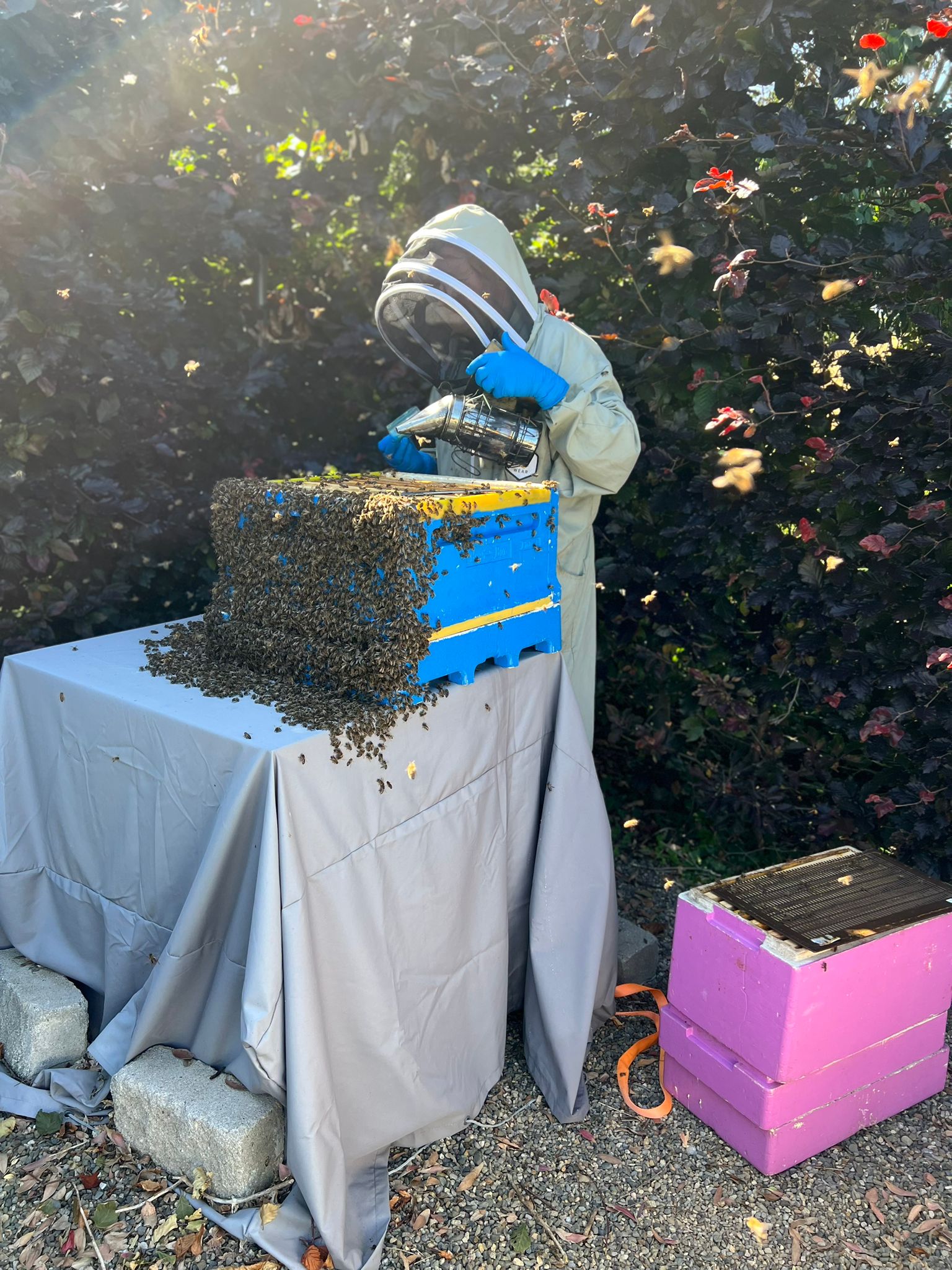
Dundalk is ten minutes from some of the finest beekeeping land in Ireland. The Cooley Mountains rise directly east of the town, and the hives I keep at Mullabane above Carlingford Lough are working those slopes - heather at altitude, hedgerow wildflowers below, and the particular calm that comes from being out of the wind off the lough.
What “local” actually means here
Most honey on supermarket shelves is labelled “EU and Non-EU Honey Blend.” That tells you almost nothing about where it came from. A blend like that can contain honey from a dozen countries, standardised to look and taste the same year after year.
Local honey is the opposite of that. It is raw, unblended, and unheated. It tastes of the flowers that produced it, which means it changes with the season and reflects the landscape of one specific place. The difference is often visible in the jar - a different texture, a depth of colour, a flavour that has not been cooked out.
For Dundalk and north Louth, that place is the Cooley Peninsula.
The Cooley Mountains as a honey landscape
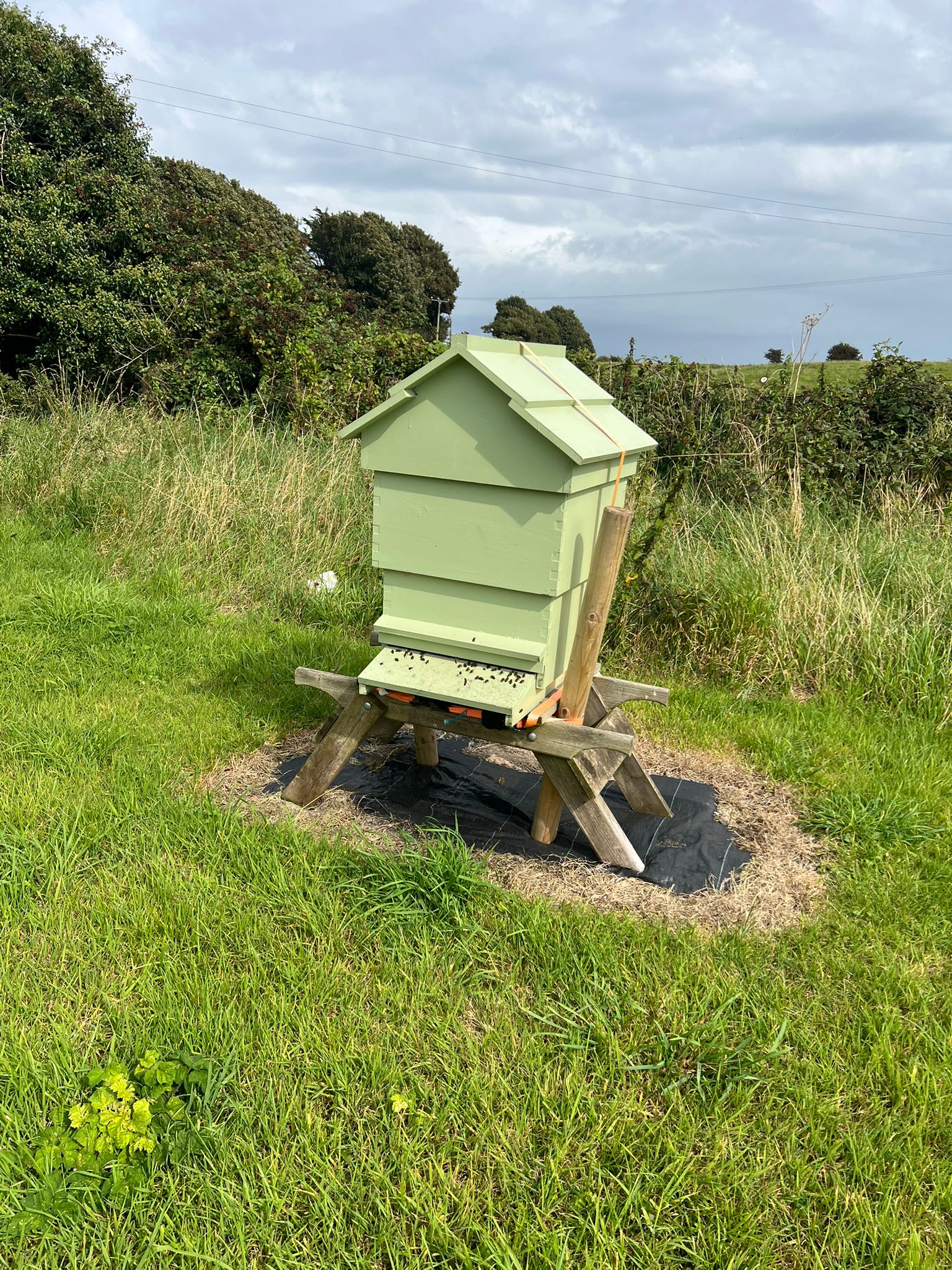
The Cooley Mountains are a small, distinctive range - heather moorland on the upper slopes, sheltered farmland below, and Carlingford Lough to the south. From a beekeeper’s perspective, the altitude makes a difference. The bell heather that flowers on the exposed upper slopes in summer produces a bold, aromatic honey unlike anything from the lowland hedgerows. Dark amber, with an almost port-like depth and a long finish, it is something entirely its own.
County Louth has a long history with bees, and the Cooley Mountains have always been good beekeeping land - sheltered enough on the lower slopes, open enough on the upper heather to make the August harvest worth the effort. There is a reason beekeeping in this landscape has persisted.
My hives at Mullabane draw on three distinct foraging habitats across a single year. The spring flush comes from hedgerow blossom in the fields below. High summer brings clover and wildflowers. August is heather season on the upper slopes. Then ivy flowers across the whole landscape in autumn, giving the last harvest before the bees close down for winter. Each of those harvests produces a different honey - same beekeeper, same peninsula, entirely different results. That is what single-origin honey from the Cooley Peninsula actually means in practice.
The range: what you will find in the jar
I produce four jarred honeys and a comb honey. The four are:
Clear - the everyday golden runny honey, harvested from the mixed summer foraging. This is the one to reach for first if you are new to Cooley honey. It pours easily and has a full, floral flavour that changes subtly with each batch.
Soft Set - the same clear honey worked to a creamy, spreadable set. No additives, just controlled crystallisation. It stays smooth and does not separate.
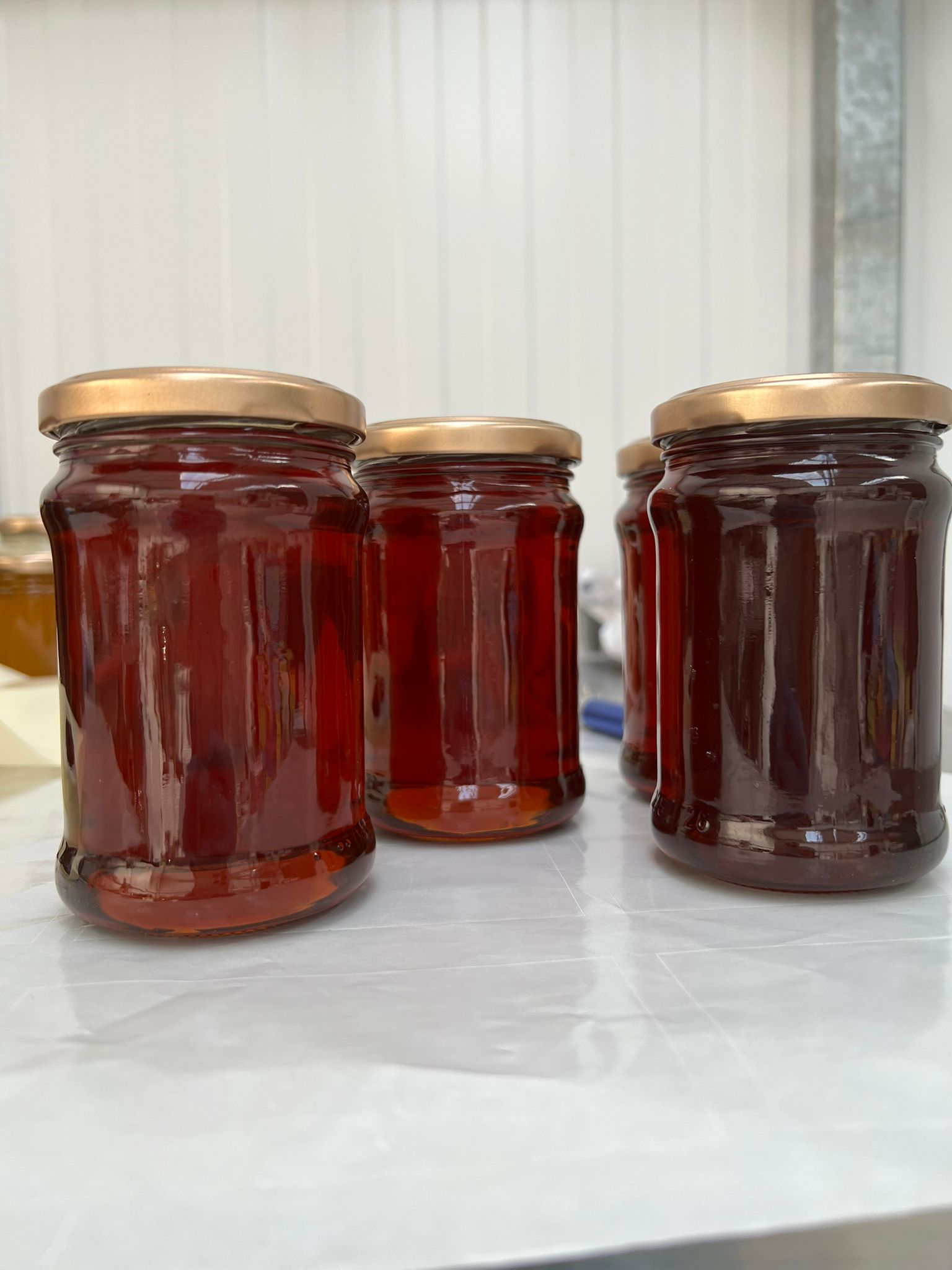
Heather - the mountain honey, harvested from bell heather on the upper Cooley slopes. Bold, dark amber, and aromatic, with an almost port-like depth. It pours and spoons like any honey and crystallises naturally over time. Paired with a sharp mature cheddar or stirred through cream it is extraordinary. Heat dulls its aromatics, so enjoy it cold or at room temperature. (It is bell heather, Erica cinerea - not the ling heather famous for a thick, jelly-like set, which is a different plant.) The guide to what heather honey actually tastes like is worth reading before you open the jar.
Ivy - the autumn honey. Ivy sets hard and pale - it goes from liquid to firm within days of extraction and stays that way. The flavour is mild, slightly aromatic, with a faint menthol note. It is a honey many people have not encountered, and it handles differently from the others. Why ivy honey sets so hard and pale is a question worth understanding before you open the jar for the first time.
Comb honey - sections, cut comb and chunk - is available seasonally. If you want honey in its most unprocessed form, straight from the frame, comb is that.
Every jar carries a batch number and harvest date. If you pick up a jar of Heather this autumn and another next autumn, they will not be identical - the season shapes them. That is the point.
For what it is worth: the honey took the “Most Points” shield at the 2019 Louth Honey Show, and at the 2021 County Dublin Beekeepers Association Honey Show it placed two firsts, one second, and two thirds across five classes. Peer-judged results, not marketing copy.
Where to collect and how to order
Peninsula Honey is not in shops, and I do not ship nationally. I sell direct for collection at Mullabane, Carlingford - which is just over the Cooley Peninsula from Dundalk, a twenty-minute drive by the coast road. Orders come in by direct message or contact through the website, and I arrange collection from there.
I also sell at markets in the Carlingford area through the season. For anyone coming up from Dundalk, Carlingford itself is worth the trip - it is a proper medieval village, compact enough to walk in an hour, with a small harbour and the mountains directly above. If you are already making a day of the Cooley Peninsula, picking up honey on the way through fits naturally. There is a Carlingford local food guide that covers what else is worth seeking out when you are in the area.
A note on crystallisation
One thing worth knowing before you buy: raw honey crystallises. All of it, eventually - some faster than others. Ivy goes hard within days. Heather pours when fresh and crystallises gradually over time. Clear honey will crystallise over weeks or months depending on temperature and the specific sugars in the batch.
This is not a flaw. Crystallisation is what real honey does - it is one of the clearest signs the honey has not been heavily processed. If you want to re-liquify it, sit the jar in warm water (not boiling; keep it below about 40°C) and it will come back. But for most uses - on toast, through yoghurt, with cheese - crystallised honey works perfectly well as it is.
FAQ
Do you deliver to Dundalk? No - I don’t do postal or courier delivery. Everything is collection only, either at Mullabane in Carlingford or at local markets during the season. Dundalk to Carlingford is a straightforward drive across the peninsula.
Is the honey always in stock? Each honey type is seasonal and batch-limited. Heather, in particular, is a small harvest tied to the August flowering. When a batch is gone, it is gone until the following year. Getting in touch before making the trip is worth doing.
What is the difference between Clear and Soft Set? Same honey, different texture. Clear pours; Soft Set is worked to a creamy, spreadable consistency. No additives involved - just controlled crystallisation.
Can I buy this as a gift? Yes. It travels well - the jars are glass, properly sealed, and the honey itself keeps for a very long time if stored out of direct sunlight. A few jars from different harvests makes a honey gift that tells a real story about one specific place.
If you are in north Louth and looking for real, traceable honey from a local hive, the Cooley Peninsula is on your doorstep. Get in touch through the website to check current availability and arrange collection.