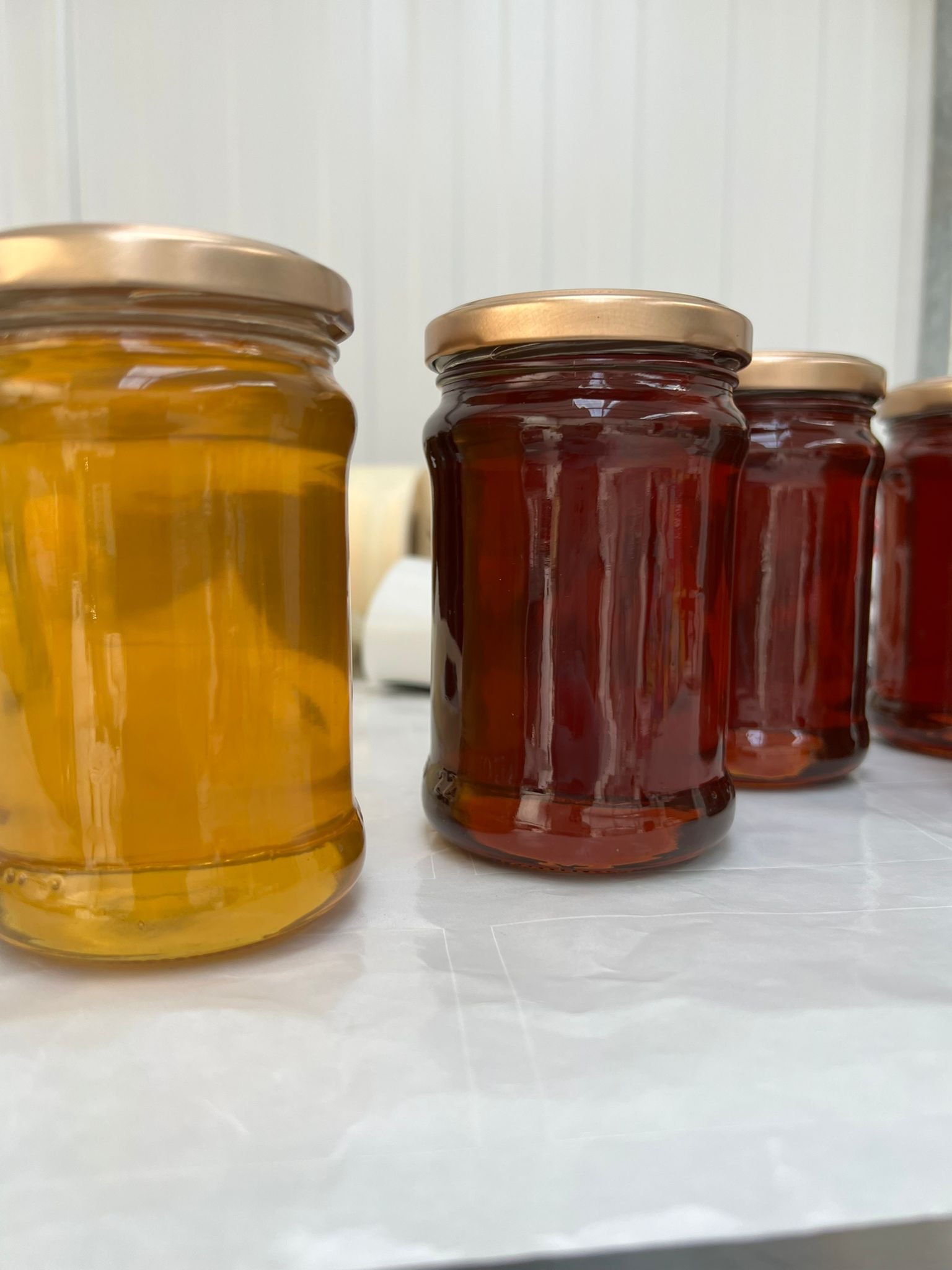
Pick up two jars of honey - one from a supermarket shelf, one from a beekeeper you can name - and the label tells you almost nothing useful about the one on the left. “Blend of EU and non-EU honey” is technically accurate. It is also nearly meaningless. The jar might contain honey from a dozen countries, heat-treated, filtered, and mixed to a consistent colour and viscosity. You have no way to know.
That is the starting point for answering whether Irish honey is actually better than what sits on the supermarket shelf. Better requires a definition, and taste and traceability are the only two that hold up.
What “better” actually means here
“Better” is doing a lot of work in this question, and I want to be precise about what I mean.
I am not making health claims. Honey is not medicine. What I am talking about is flavour - real, distinct, place-specific flavour - and the ability to know, with certainty, where a jar came from and who made it.
On both counts, a genuine single-origin Irish honey and a blended supermarket jar are not really the same product. They happen to share a name.
What is in a supermarket jar
Most honey on supermarket shelves in Ireland is blended. The label will say something like “blend of EU and non-EU honey” - and until June 2026, EU law did not even require the blend ratio to be listed. A jar could be 95% imported honey from countries with lower production standards and still carry a label that sounds reassuringly European.
Blended honey is also almost always heat-treated and finely filtered. The heating makes it easier to pump and fill at scale; the filtering removes pollen. Pollen is the one thing that allows independent testing to confirm where a honey actually came from. When it is gone, geographical traceability is gone with it.
This is not a conspiracy. It is just how industrial food production works. The goal is a consistent product that pours the same way and tastes the same every time, regardless of season or source. That consistency is the point. But it is the opposite of what makes honey interesting.
There is a useful deeper read on this in what “EU and Non-EU honey” actually means on a label - worth knowing before your next supermarket shop.
What single-origin Irish honey is instead
Irish honey made by one beekeeper from their own hives is a different thing entirely.
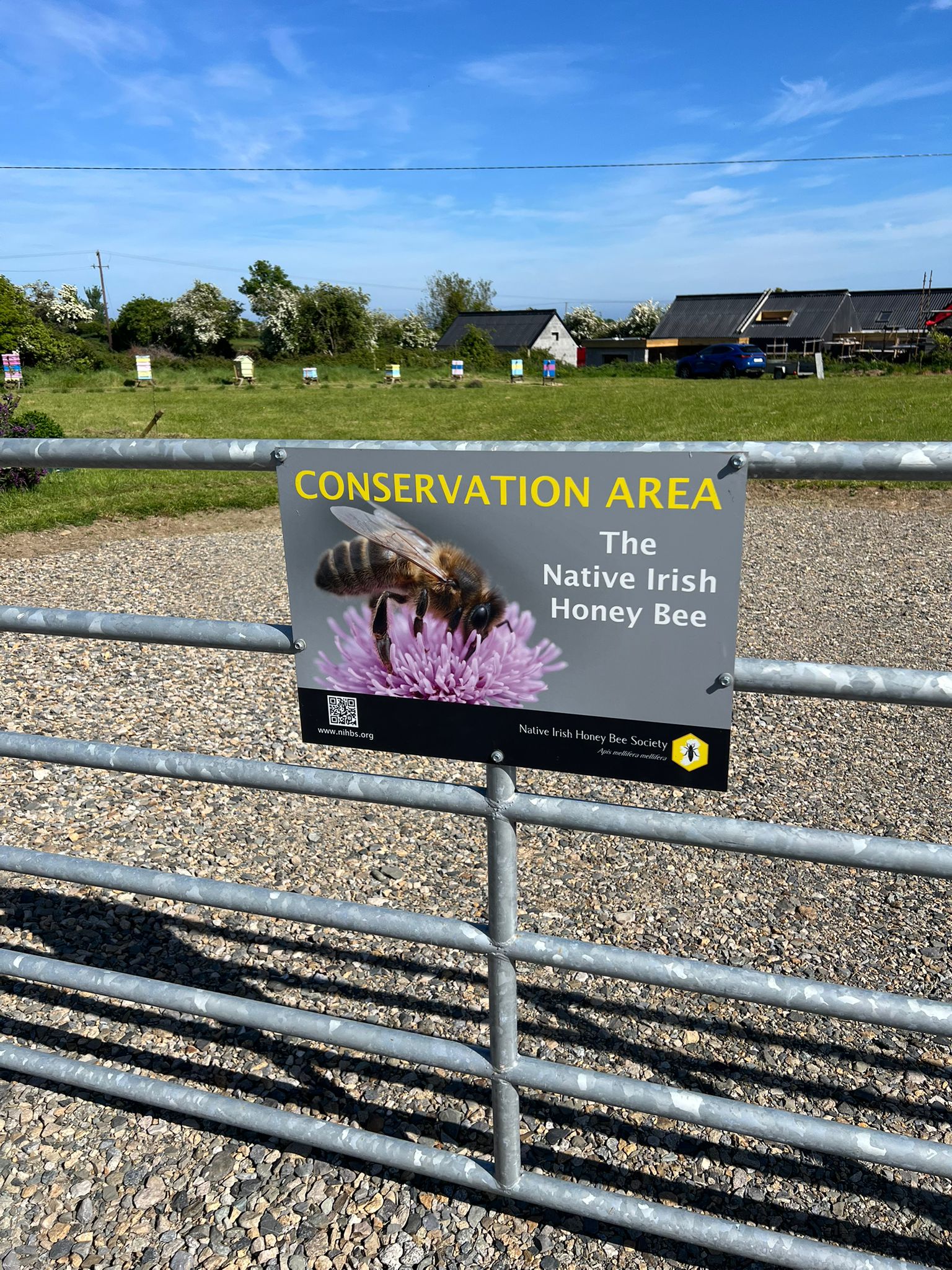
My bees work the Cooley Peninsula - mountain heather at altitude, ivy in the hedgerows in autumn, wildflowers through the summer fields. Each of those plants sends something different back to the hive, and because the honey is raw and unblended, those differences survive into the jar.
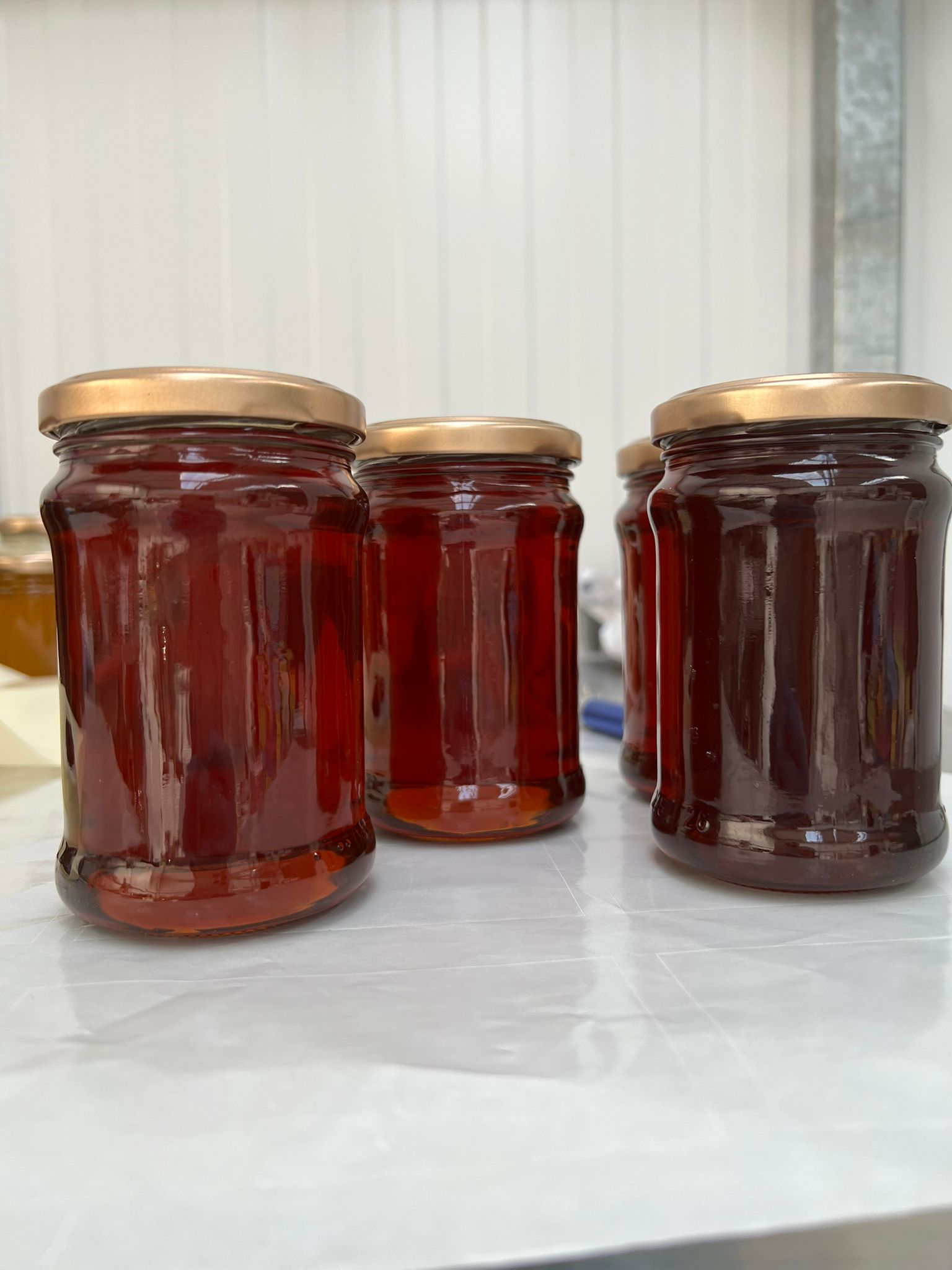
Heather honey from the Cooley slopes, made from bell heather, has a bold, dark amber, aromatic character with an almost port-like depth - it pours and spoons like any honey and crystallises naturally over time. Ivy honey, harvested in autumn, sets hard and pale with a mild, slightly menthol note. The everyday Clear honey is the golden, runny jar that tastes of wherever the bees were working that season. These are genuinely different products, not variants of the same thing.
None of that complexity survives blending and heat processing. It is not preserved on a supermarket shelf at consistent room temperature for 18 months. Flavour comes from the specific flowers, the specific bees, the specific season - and it requires that nothing is done to the honey after it leaves the hive to destroy it.
Traceability: knowing exactly what you are buying
Every jar of Peninsula Honey carries a batch number and harvest date. If you want to know when it was taken from the hive and which season it reflects, that information is on the label. There is one beekeeper - me - and the hives are at Mullabane, above Carlingford Lough. That is the full supply chain.
Compare that to the journey of a blended supermarket jar: multiple source countries, collected by a broker, blended at a processing facility, distributed through a national wholesaler. Each step adds distance between you and the origin, and some of those steps actively erase traceability.
For some people, traceability is a practical concern. For others, it is simpler than that: they want to know who made the thing they are eating. Both are reasonable. Single-origin honey from a named Irish beekeeper gives you both.
How to tell if honey is real goes into the practical tests if you want to go further on this.
Does “Irish” automatically mean better?
Not automatically, no. “Irish honey” on a label means it was produced in Ireland. It does not tell you whether it is raw or heat-treated, single-origin or blended with other Irish honey, or whether it has been held in a warehouse at elevated temperature before packing.
What matters is what the beekeeper actually does. Raw and unheated means the honey left the hive without being significantly processed. Single-origin means the bees worked one defined location, so the flavour reflects one place rather than an average of many. Batch-numbered and harvest-dated means you can verify the provenance rather than take it on trust.
Irish honey that meets those criteria is genuinely different from most of what lines supermarket shelves, and it tastes different for exactly those reasons.
How awards fit into this
One way to cut through the subjectivity of “better tasting” is peer-judged awards. Honey shows bring working beekeepers together and assess honeys blind on appearance, aroma, consistency, and flavour. The judges know what they are looking for because they produce honey themselves.
At the 2019 Louth Honey Show, Peninsula Honey took the Most Points shield. At the 2021 County Dublin Beekeepers Association Honey Show, the results were two firsts, one second, and two thirds across different classes. These are not marketing awards entered for a fee. They are the verdict of other beekeepers, judging blind.
That kind of recognition matters because it is independent. No one at a honey show is judging based on packaging or price point. The honey is what it is, and experienced people are telling you what they think of it. You can read the fuller story on the about and awards page.
A note on seasonal change
One thing that surprises people who buy single-origin honey for the first time is that it changes from year to year. A warm summer means more wildflower forage; a cool wet August affects the heather. The honey reflects those conditions, which means no two harvests are identical.
Supermarket honey is designed to prevent exactly this. Blending from multiple sources in multiple seasons produces a stable, predictable product. That stability is a feature for people who want consistency. But if you find a honey you love - the heather from a good year, or the ivy from a particularly cold autumn - that jar represents something that will not be repeated exactly.
That is not a flaw. It is just how real food works.
Frequently asked questions
Is all honey sold in Ireland from Ireland? No. Most honey on Irish supermarket shelves is imported - often from multiple countries - and labelled as a blend of EU and non-EU honey. Genuinely Irish honey will say “Product of Ireland” and should come with clear beekeeper and location information.
What does raw honey mean? Raw honey has not been significantly heated after leaving the hive. Heat makes honey easier to process and extend shelf life, but it changes the texture, colour, and flavour of the honey. Raw honey is often cloudier and may crystallise more readily. What is raw honey covers this in full.
Does Irish honey crystallise? Yes - single-origin Irish honey will crystallise, often relatively quickly, depending on its flower source. Ivy honey, for example, sets hard and pale within weeks of harvest. This is a sign that the honey is genuine and unprocessed, not a defect. Why honey crystallises explains what is actually happening.
How do I know if the honey I am buying is real? Look for a named beekeeper, a specific location, a harvest date, and “Product of Ireland” on the label. If the label says only “blend of EU and non-EU honey” with no other origin information, it was almost certainly blended from imported sources. Supermarket price points rarely support genuine single-origin production.
If you would like to try a jar from the Cooley Peninsula - the Clear for everyday use, the Heather for something bolder, or the Ivy if you want something seasonal and pale - Peninsula Honey is sold direct from Mullabane and at local Carlingford markets. No shipping, no middlemen.