Carlingford sits at the foot of Slieve Foy, on the southern shore of the lough, with the Mourne Mountains across the water in South Down. It is one of the best-preserved medieval towns in Ireland - narrow lanes, a 12th-century castle, a gate tower that once doubled as a gaol - and it has managed to hold onto its character without becoming a theme park version of itself. The food scene has grown quietly alongside that character. There is real Carlingford local food here - producers rooted in the place, not a souvenir shop version of it.
This is a guide to what is actually worth your time and your money, from the lough’s edge to the mountain slopes above.
The lough: oysters and mussels from the water itself
Carlingford oysters are genuinely special. The Carlingford Oyster Company has been farming the lough since 1974 - it is a family operation now in its second generation, run by Kian and Mary Louet Feisser. The lough works in their favour: a large tidal exchange brings in nutrients twice a day, and freshwater running down from the Cooley slopes meets the salt water, giving the oysters a flavour that is richer and more complex than most rock oysters you will find in a restaurant.
You can book a farm tour and oyster masterclass directly through them. They take you out onto the beds at low tide and show you how the oysters are grown, graded, and purified before they reach a plate. It is an hour well spent even if you already know how to eat an oyster.
If you want the shorter version, several restaurants in the village serve Carlingford oysters and mussels on the night. The Bay Tree Restaurant and Ghan House both use them, and neither place is trying to hide what is local and what is not.
Ghan House: the serious table in Carlingford
Ghan House is a Georgian country house on the edge of town, with a 2 AA Rosette restaurant that has been quietly excellent for a long time. The kitchen is rooted in what is available here: oysters and mussels from the lough, lamb and beef from the Cooley and Mourne mountains, herbs and vegetables from the house’s own kitchen garden. The lobster comes from the rocky shoreline at Ballagan, a few miles away.
It is the right place for a longer meal, and the kind of menu where you know, without having to ask, that the ingredients did not travel far. Open Wednesday to Sunday from 6pm, booking recommended.
McAteers The Food House: the deli worth knowing about
On Dundalk Street, McAteers is Carlingford’s best answer to the question “where do I actually shop here?” It is a gourmet deli and cafe with Irish artisan produce - freshly baked breads, organic vegetables, specialty items and ready-made food to take away. If you are walking the Táin Trail or heading up onto the mountain, it is the right place to fill a bag before you go.
The deli counter does made-to-order sandwiches, soups, and salads. The shop side stocks a range of Irish artisan products that goes beyond what you would find in the usual gift food section of a petrol station. Worth leaving twenty minutes for rather than five.
Closed Sundays, which is worth knowing if you are planning a weekend trip.
Carlingford Brewing Co.: beer with a sense of place
A few miles outside the village, in a 14th-century mill in the woods above Riverstown, the Carlingford Brewing Company has been making craft beer since 2015. Founded by Des Goldrick, the brewery names every beer after a local landmark - Tholsel Blonde, King John’s Stout, Taaffe’s Red, Friary Pale Ale. It is the kind of naming that either feels forced or earns its keep, and here it earns it, because the landmarks are real and the town they reference is genuinely medieval.
Brewery tours run for about two hours and include the production area, a history of brewing in the region, and a tasting paired with stone-fired pizzas. It is a good outing if you have an afternoon and want something other than coastline and walking trails.
Their beers are also sold to take home, which makes them a strong candidate for a gift that is genuinely from Carlingford rather than just wrapped in green.
The Cooley Mountains: what the land gives back
The farms on the Cooley Peninsula raise sheep and cattle on mountain grass and hedgerow fields. Cooley lamb in particular shows up on menus across the area - Ghan House, Kingfisher Bistro, Schooner’s at McKevitt’s Hotel. It is worth ordering if you see it, because lamb from mountain grazing has a different character to lowland lamb. The flavour is more concentrated, and it does not need much doing to it.
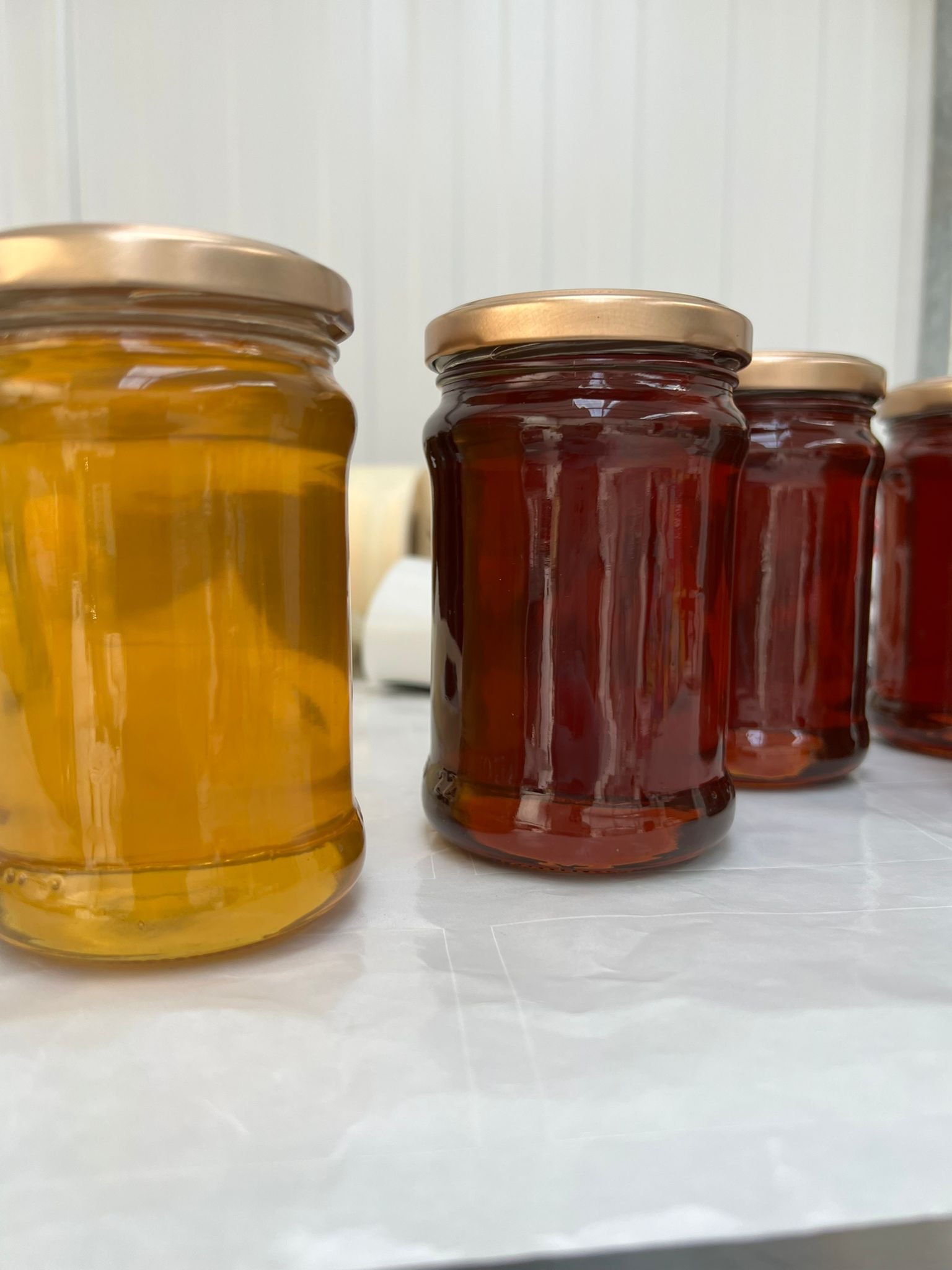
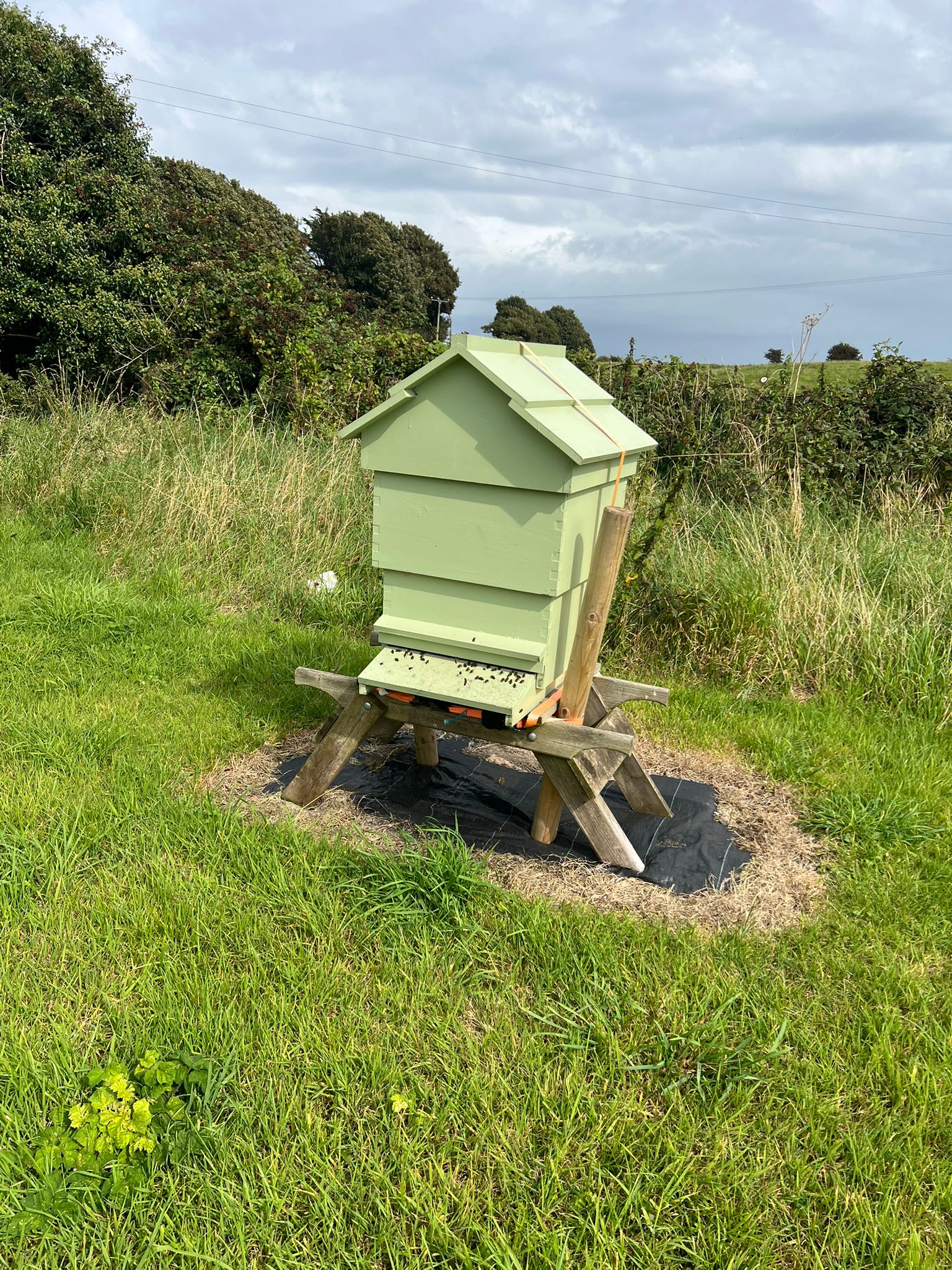
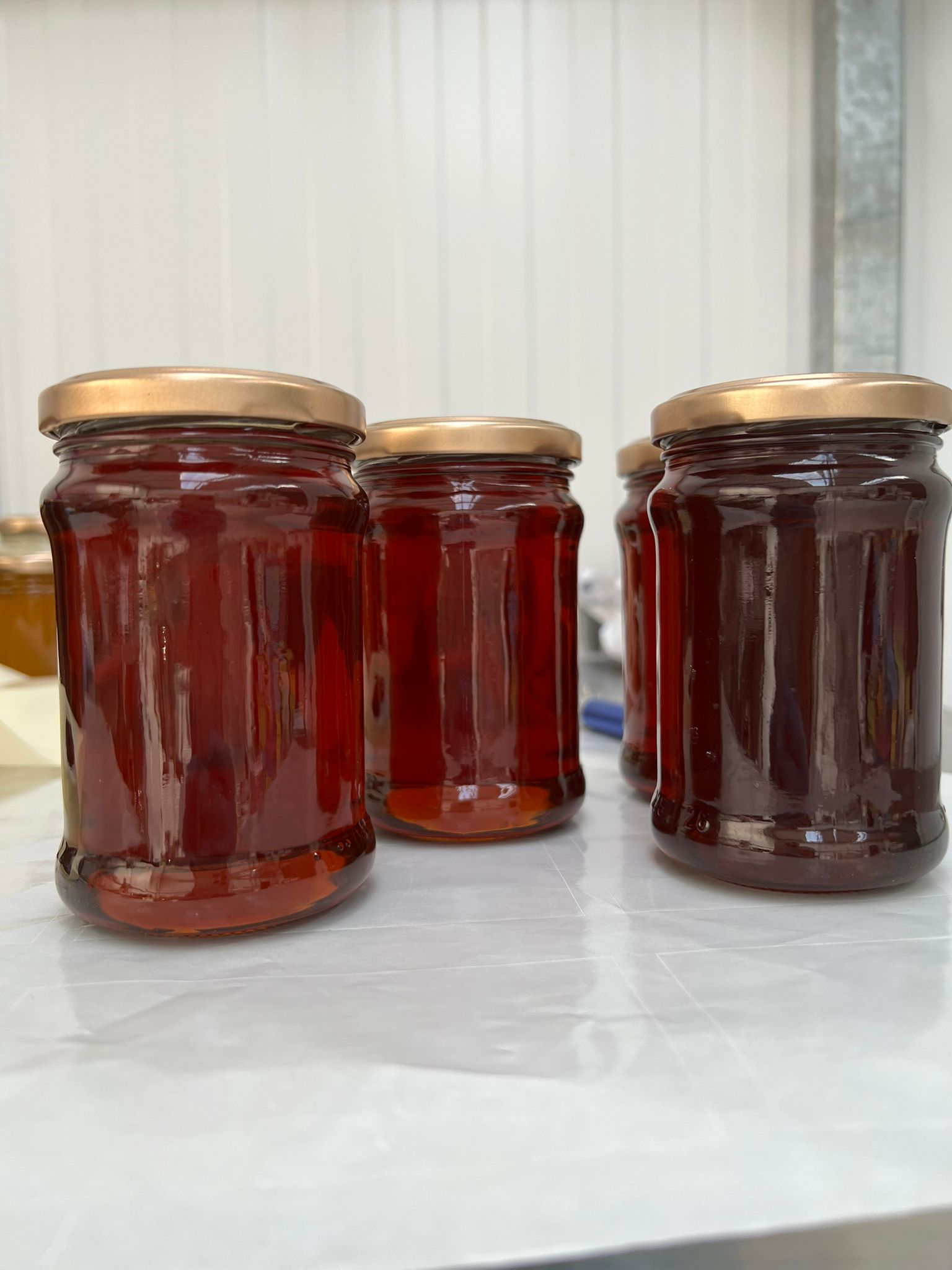
I keep bees on the slopes above the lough, at Mullabane, and the hives draw from the same landscape - bell heather on the open moorland, ivy in the hedgerows below, wildflower from the sheltered fields. That is why the honey changes across the season. Each jar is from one harvest, one landscape, one time of year. If you are curious about what the Cooley landscape tastes like when you strip it back to its essentials, the heather honey is probably the best place to start - bold, aromatic, and unlike anything you will find in a supermarket.
What to take home from Carlingford
A good meal is a good meal. But if you are making the drive back to Dublin, or crossing over to Newry or Belfast, it is worth thinking about what actually travels.
Carlingford oysters do not keep once they are shucked. But a box of live oysters, picked up from the Oyster Company, will last a few days if you keep them cold and covered with a damp cloth. That is the real thing, and it is worth the effort.
Carlingford Brewing beers travel easily and hold their flavour. A mixed case of their named ales is the kind of gift that comes with a story.
Honey keeps indefinitely. Raw, single-origin honey - batch-numbered and harvest-dated - is the kind of thing that does not need a bow on it to feel like a proper gift. I sell my honey direct from Mullabane and at local markets in the area. If you are coming through Carlingford, you are welcome to collect. No national shipping, but the drive is worth it if you are already this far.
The soft set and the clear honey are the most versatile if you are buying for someone whose taste you do not know well. The heather, if you want something more distinctive. The ivy honey sets hard and pale, mild, with a faint aromatic quality, and it keeps well on a cheese board - there is more on why ivy honey behaves the way it does here.
Food festivals and markets in Carlingford
The Carlingford Oyster Festival runs in August and has been going for decades. Two days of oysters, food stalls, street and bar entertainment, a wine reception, and a chowder tasting run by the local restaurants competing against each other for a crowd vote. It is the kind of event that actually earns the oyster’s reputation rather than just trading on it.
The Carlingford Food Fest, usually in late summer, brings together local seafood, Cooley lamb and beef, and artisan food producers from across the area. If you are looking at a trip and have flexibility on dates, timing it around either event is worth doing. The town is at its liveliest, and the number of producers selling direct goes up considerably.
Exact dates shift year to year, so check the Carlingford Tourist Office or local listings before you book.
FAQ
Is Carlingford worth visiting just for food?
Yes, though it is better for a half-day or full day that combines eating with walking the medieval town walls, or a boat trip on the lough. The food is good enough that you will not feel short-changed coming specifically for it.
Where do Carlingford restaurants source their oysters?
From the Carlingford Oyster Company, which farms the lough directly. If a restaurant on the main street is serving Carlingford oysters, they are almost certainly coming from there. The flavour is specific to this water.
Can I buy Peninsula Honey in Carlingford?
Yes. I sell direct from Mullabane, just above the town, and at markets in the area. No online shop or national delivery, but local collection is straightforward. The journal has more on the honeys and when each one is available.
What is the difference between Carlingford honey and supermarket honey?
Single-origin honey from one beekeeper in one place is fundamentally different from blended, processed supermarket honey. The character of the jar changes with the season and the flowers. A supermarket honey is made to taste consistent; mine is not, and that is the point.
Carlingford is worth the drive whether you are coming from Dublin, from Belfast, or from across the border in Armagh. It is less than an hour and a half from the city, but the lough and the mountains make it feel considerably further. The town is small enough to walk entirely and old enough to feel like it has earned its character. The Tholsel gate, the King John’s Castle ruin, the Carlingford Mint on Tholsel Street - they are not reconstructions.
And the food - the oysters from the lough, the mountain lamb, the local craft beer, the honey from the slopes above the town - is the kind that gives you something specific to say about where you have been. That is the point of Carlingford local food. It is not interchangeable with anywhere else.
If you want to know more about what I make from the hives above the lough, the journal is a good place to start.